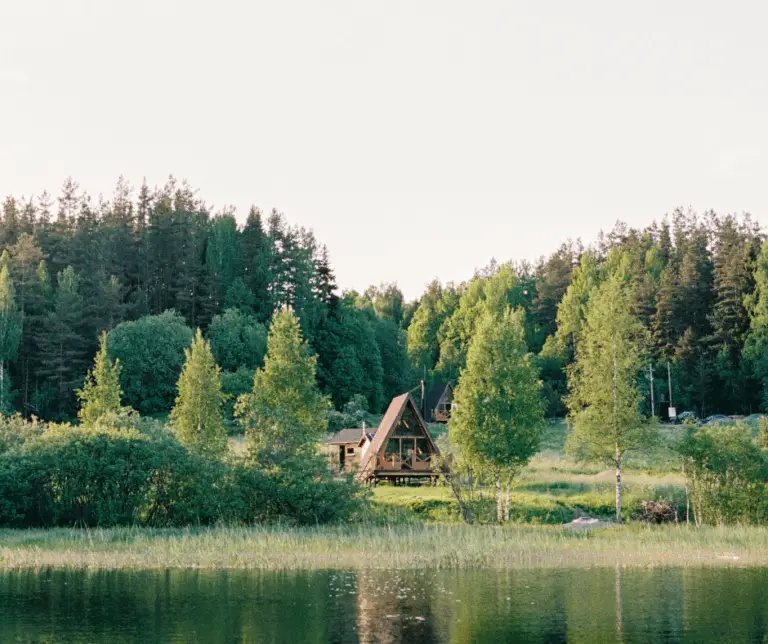
Transforming Your Log Cabin Kit into a Vacation Rental: A Complete Guide
A vacation cabin kit is a handcrafted log shell shipped to your site and finished out as a short-term rental. Turning one into a profitable

A vacation cabin kit is a handcrafted log shell shipped to your site and finished out as a short-term rental. Turning one into a profitable
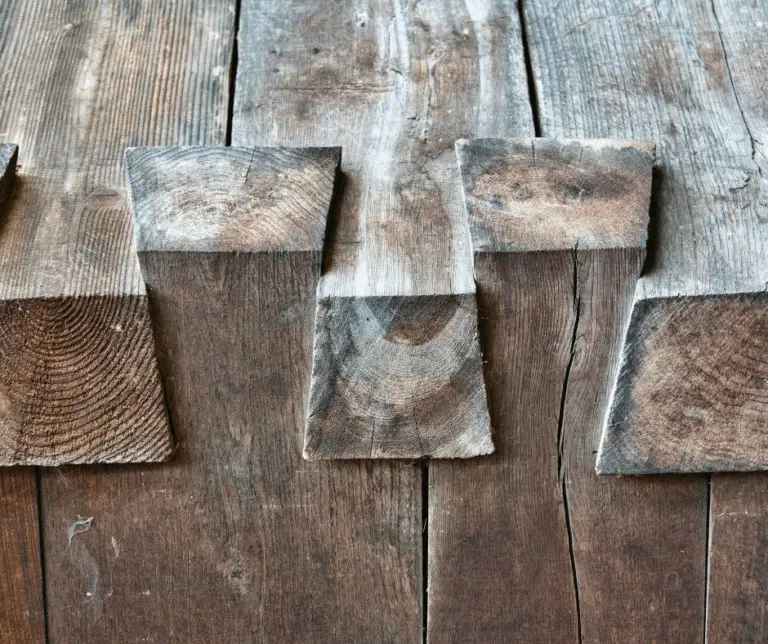
The four corner notching techniques used on almost every log cabin are the saddle notch, the dovetail notch, the butt-and-pass corner, and the corner post
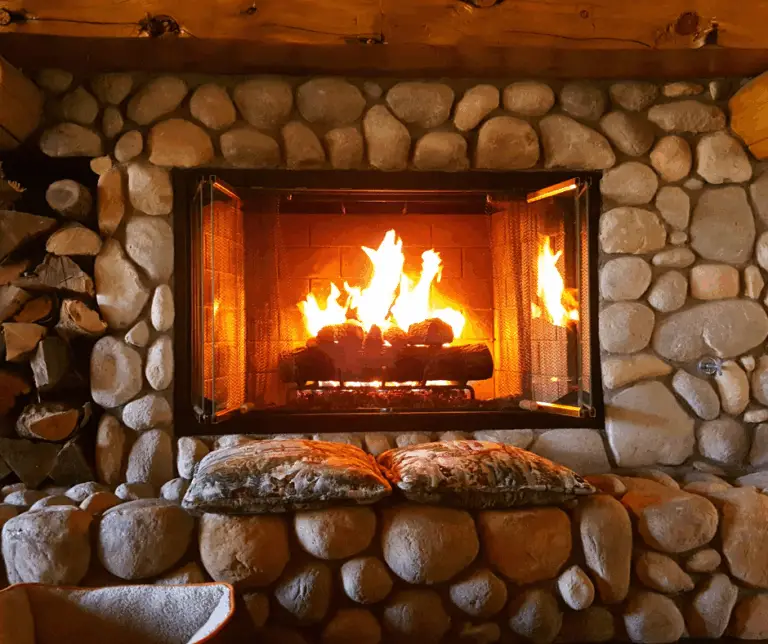
No cabin is truly fireproof, but a solid log wall resists fire far better than conventional stud framing, and a well-designed log home can survive
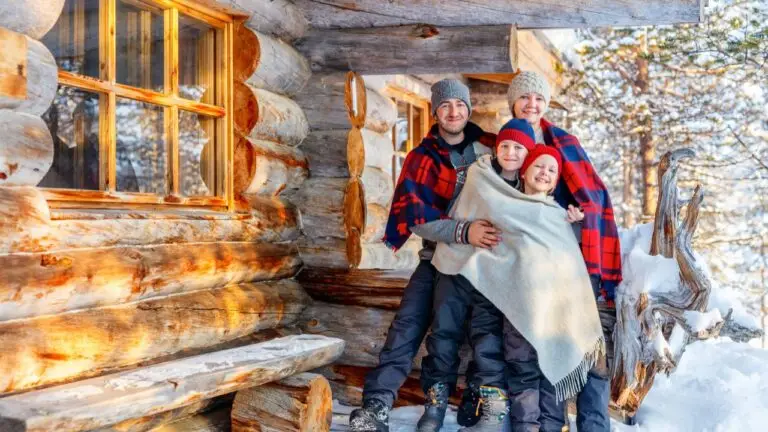
Designing a family-friendly log home means creating a space that feels warm, functional, and welcoming. Every room should serve a purpose while still offering comfort.
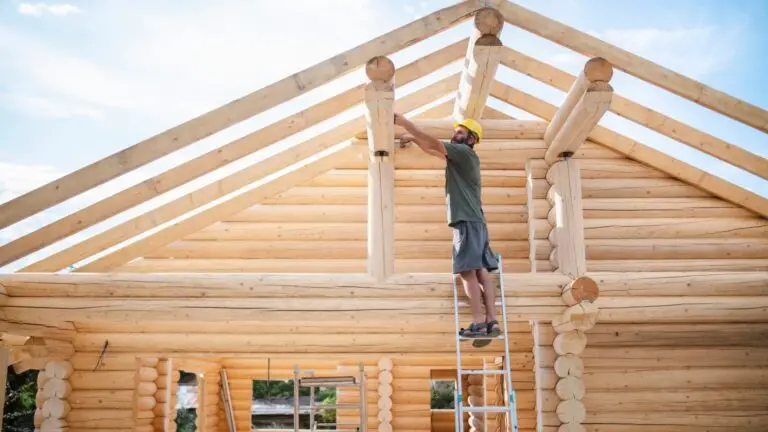
Eco-friendly log homes are built from materials that already exist: reclaimed wood, salvaged metal, repurposed glass, stone, and recycled insulation. Paired with the natural thermal
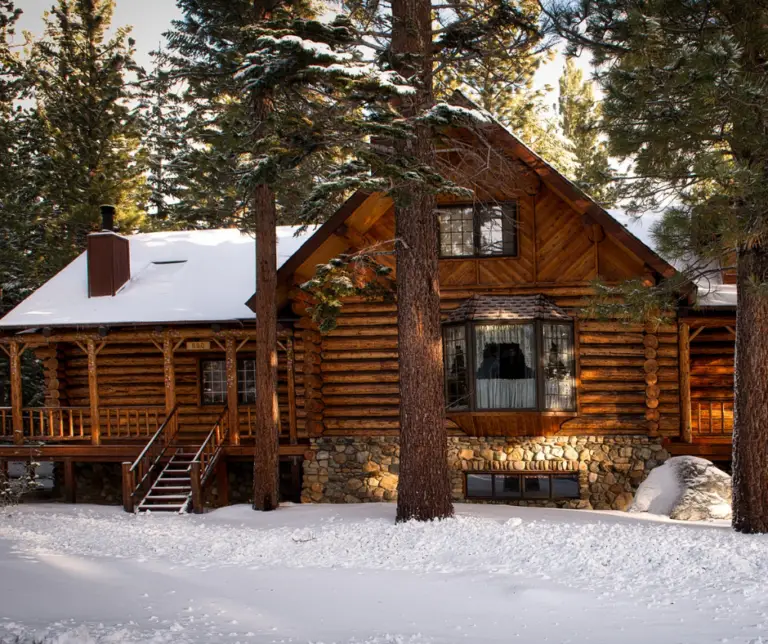
Climate impact drives four log home decisions: wood species, wall thickness and insulation strategy, moisture detailing, and the settling allowance built into the plan. A
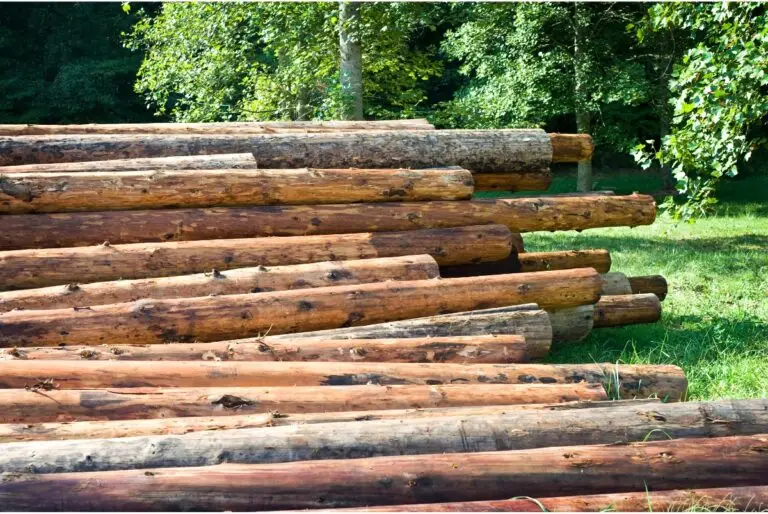
Building codes for log cabins cover the same ground as codes for any other home — structure, energy, fire, and site — but log walls
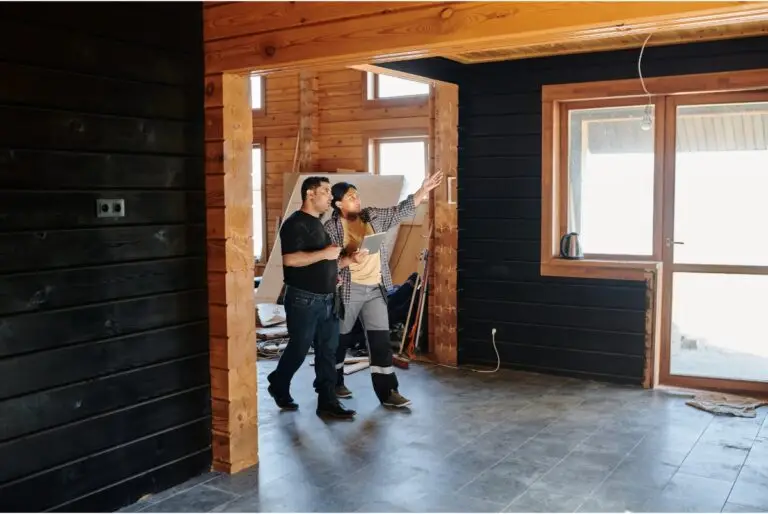
Log home site preparation is the work that happens before a single log arrives: choosing and testing the building spot, clearing and leveling it, engineering

Recycled materials let a log home reuse wood, stone, steel, and concrete that already exist instead of consuming new resources. Reclaimed timber, recycled-content insulation, metal
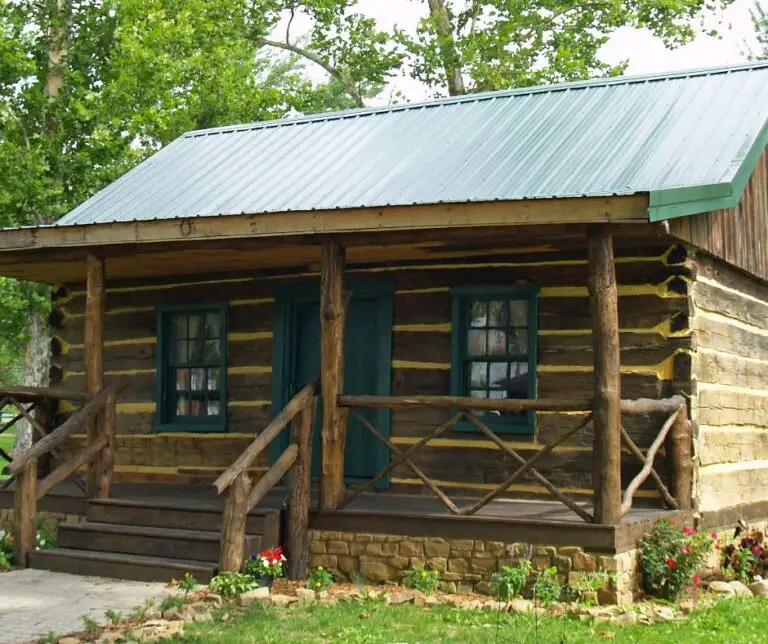
Choose a log cabin kit if you have construction skill, time, and tolerance for risk; choose a turn-key build if you want a finished home
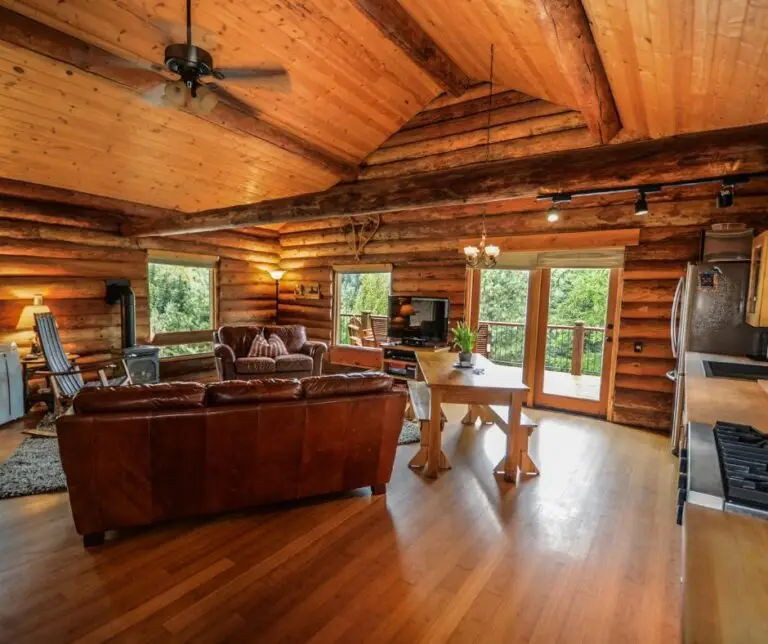
The nine biggest benefits of living in a log home are timeless character, natural insulation and thermal mass, exceptional longevity, healthier indoor air, genuine sustainability,
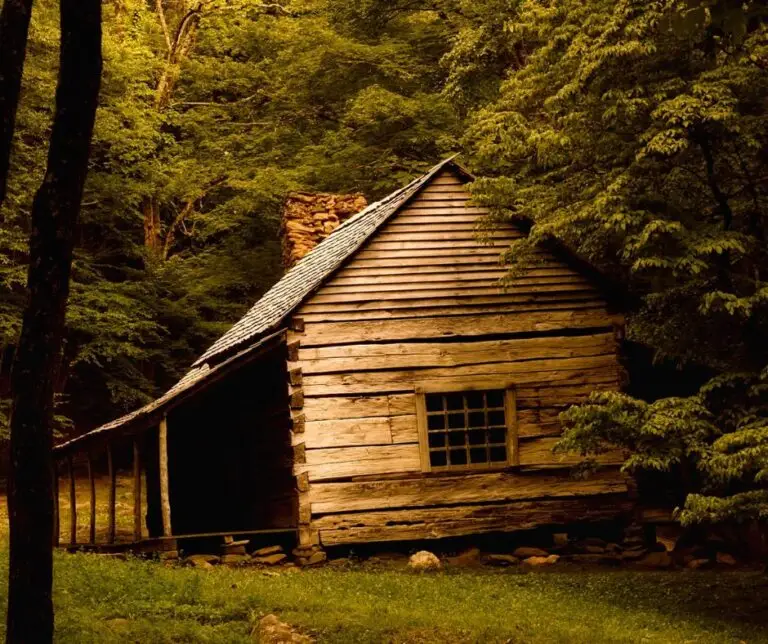
Well-built log homes last 100 years or more, and many documented examples in Europe and North America are still standing after 200 to 800 years.