
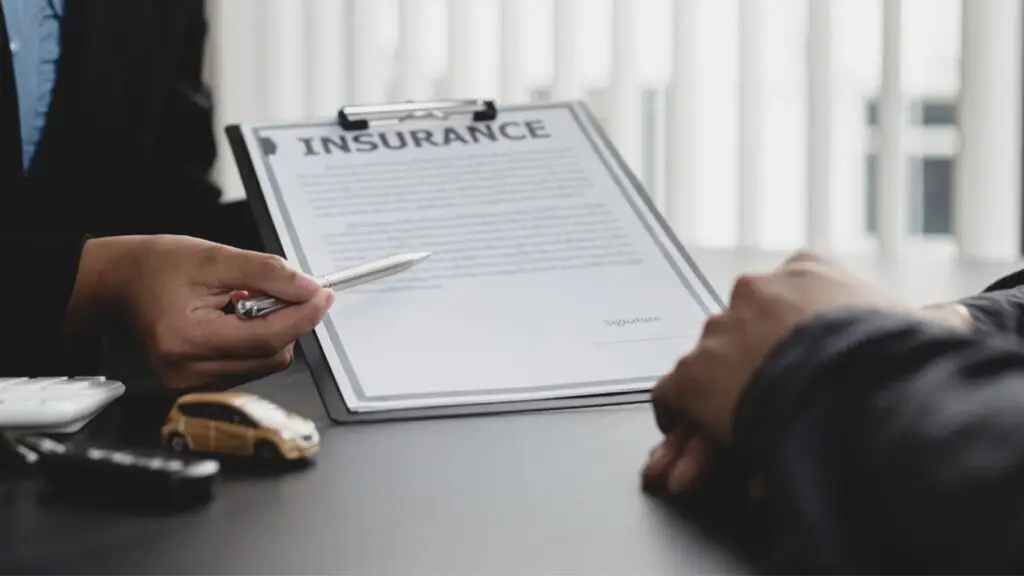
Insuring a log home costs more and takes more paperwork than insuring a comparable frame house, mostly because carriers price replacement cost, wildfire exposure, and rural response times differently. Insuring a log home goes smoothly when you can document the build: species and grade of logs, the sealant and fire treatments used, the roof assembly, and how far the nearest fire protection sits.
Log homes have a way of standing out. The craftsmanship, the heavy timbers, the quiet, natural settings—it’s all part of the appeal. But those same features can make insurance trickier than many owners expect. Materials, location, and regular upkeep matter more here, which is why thinking ahead isn’t optional.
This guide explores why coverage for log homes differs from that of typical houses and which elements deserve priority. Thoughtful design choices and consistent maintenance can make approvals smoother when insuring a log cabin. Paying attention to these factors helps owners safeguard their investment and approach insuring a log cabin with confidence.
What This Guide Covers
- Why Insuring a Log Home Is Different
- Common Challenges When Insuring a Log Home
- What Coverage a Log Home Insurance Policy Should Include
- Tips for Lowering the Cost of Insuring a Log Home
- What Insuring a Log Home Costs by Region
- Insuring a Log Home: FAQs
- How Frontier Log Homes Supports Insurable Builds
Why Insuring a Log Home Is Different
Insurers evaluate construction type, location, and access before pricing any policy. Insuring a log cabin differs because complete log construction requires specialized materials and skilled labor. These homes often sit in rural or wooded areas, which can slow emergency response. Insuring a log cabin also requires more judgment because carriers lack uniform standards for comparison with standard homes. Underwriters focus on build quality, site conditions, and long-term risk when insuring a log cabin.
Common Challenges When Insuring a Log Home
Insuring a log cabin presents unique challenges that standard homes rarely face. Natural materials, rural locations, and custom construction all influence insurers’ risk assessments. Understanding these factors makes insuring a log cabin more predictable and less frustrating. With proper planning, owners can improve approval rates, secure stronger coverage, and avoid unnecessary limitations when insuring a log cabin.
Construction Materials, Foundation, and Roof
Wood construction brings character, but it creates insurer concerns about fire, moisture, and pests. Insuring a log cabin becomes easier when materials are adequately treated and structurally sound. Solid foundations, proper drainage, and sealed logs help reduce long-term risk. Fire-resistant roofing also plays a massive role in insuring a log cabin, since safer roof materials often improve eligibility and pricing. Ongoing maintenance supports better outcomes when insuring a log cabin.
Replacement Cost vs. Market Value
Market value reflects demand, while replacement cost reflects the cost of rebuilding the same structure. When insuring a log cabin, always prioritize replacement cost over market value. Proper valuation ensures insuring a log cabin covers materials, labor, and required updates after a loss. Accurate estimates prevent coverage gaps and claims issues when insuring a log cabin.
Location, Wildfire Risk, and Access Issues
Many log cabins sit in wooded or remote areas, which affects risk modeling. Insuring a log cabin in these locations depends heavily on mitigation efforts. Defensible space, fire-resistant materials, and monitored safety systems improve carrier confidence. Clear access roads and documented improvements also support better terms when insuring a log cabin in higher-risk regions.
Primary vs. Secondary Residence
How a home is used directly affects coverage options. Primary residences usually qualify for broader protection. Insuring a log cabin as a secondary or seasonal home often requires added endorsements. Limited occupancy can trigger stricter policy terms and higher costs. Understanding occupancy rules helps with insuring a log cabin and delivers consistent protection year-round.
What Coverage a Log Home Insurance Policy Should Include
Insuring a log cabin requires coverage that reflects how the home is truly built and used. Standard policies often miss details unique to log construction and rural settings. The right coverage ensures insuring a log cabin protects both craftsmanship and long-term value. Understanding each coverage category helps owners avoid gaps while insuring a log cabin.
Dwelling Coverage for Log Construction
Dwelling limits should reflect a complete log rebuild, not a stick-built comparison. Insuring a log cabin must account for handcrafted logs, custom joinery, and specialized labor. Include interior features, milling details, and required code upgrades after a loss. This coverage forms the foundation of insuring a log cabin and deserves careful review.
Material Coverage for Wood Damage and Decay
Policies treat wood damage differently depending on the cause. Insuring a log cabin often covers sudden issues rather than long-term wear and tear. Proper staining, sealing, and inspections strengthen outcomes when insuring a log cabin. Maintenance records support claims and reduce disputes tied to decay or moisture.
Other Structure Coverage
Detached garages, shops, and guest cabins often mirror the main structure. Insuring a log cabin should provide realistic coverage for all related buildings. Limits must reflect actual rebuild costs, especially for multiple outbuildings. Scheduling structures separately can improve protection when insuring a log cabin.
Liability Protection
Foot traffic, contractors, and guests increase exposure. Insuring a log cabin benefits from higher liability limits and umbrella coverage. Disclose rentals or events to avoid claim issues. Safe walkways, lighting, and stairs support responsible insuring a log cabin.
Loss of Use and Specialized Coverage
Temporary living costs add up quickly after a loss. Insuring a log cabin should include adequate loss-of-use limits to reflect local housing rates. Secondary homes may need rental income protection. Separate flood coverage remains essential when insuring a log cabin in remote or wooded areas.
Tips for Lowering the Cost of Insuring a Log Home
Insuring a log cabin does not have to mean accepting higher premiums. Thoughtful planning, consistent upkeep, and visible risk reduction all influence pricing. When owners take proactive steps, insuring a log cabin becomes more predictable and affordable. These strategies help insurers view insuring a log cabin as a lower long-term risk.
Maintenance, Inspections, and Risk Mitigation
Insurers closely evaluate how well a home is maintained. Regular inspections support better outcomes when insuring a log cabin. Watch for stain wear, moisture marks, pests, and roof concerns. Timely repairs prevent larger issues and protect eligibility when insuring a log cabin. Keeping clear records also shows responsible ownership during underwriting reviews.
Safety Features and Enhanced Security
Safety upgrades reduce claims and improve pricing. Insuring a log cabin benefits from fire-resistant materials and monitored systems: alarms, leak sensors, and secure heating systems lower the risk of loss. Exterior lighting and cameras also support smoother approvals when insuring a log cabin, especially for seasonal use.
Clear Access to Water and Emergency Services
Access matters more than many owners expect. Insuring a log cabin improves when emergency access is clear and well-documented. Maintain stable driveways, visible addresses, and safe turnaround space. On-site water sources and defensible space further strengthen options when insuring a log cabin in remote areas.
What Insuring a Log Home Costs by Region
Insuring a log cabin varies widely by region and local conditions. Weather patterns, terrain, and access to services strongly influence pricing. Insuring a log cabin in mountain or wildfire-prone areas often costs more due to elevated exposure.
Some regions offer more stable rates despite similar risks because of stronger carrier competition. Location remains the primary factor shaping premiums when insuring a log cabin. Understanding regional differences helps owners plan smarter and approach insuring a log cabin with realistic expectations.
What Carriers Actually Ask For
Most log home quoting problems are documentation problems. An underwriter who cannot verify construction and wildfire exposure prices the unknown, and the unknown is always expensive. Have these ready before you call.
| Document | Why the Underwriter Wants It | Where to Get It |
|---|---|---|
| Construction details | Species, wall system, and whether it is full log, hybrid, or log siding — each prices differently | Your builder or the original plan set |
| Replacement cost estimate | Log replacement is specialized labor; standard cost calculators understate it | Your builder, in writing |
| Roof age and class | Roof condition drives a large share of the premium | Permit record or receipts |
| Electrical, plumbing, and heating age | Older systems raise fire and water-loss expectations | Permit record or inspection report |
| Wood stove documentation | Installation clearance and inspection sign-off | Building department or installer |
| Defensible space photos | Proves mitigation the carrier will otherwise assume you have not done | Take them yourself, dated |
| Fire district and hydrant distance | Response time and water supply set the protection class | Local fire district |
| Maintenance record | Shows the envelope is being kept up, which reduces perceived deterioration risk | Your own records and receipts |
Owners who send this package up front routinely get quoted faster, by more carriers, and at better numbers than owners who answer questions one at a time over three weeks.
What Actually Moves the Premium
| Factor | Direction | How Much Control You Have |
|---|---|---|
| Wildfire risk score | Raises | High — defensible space and materials are documentable |
| Distance to responding fire station | Raises | None once the parcel is chosen |
| Replacement cost of the structure | Raises | Partial — accuracy matters more than the number |
| Roof age and class | Both | High |
| Wood-burning appliances | Raises | High — documentation and inspection |
| Monitored alarm and water shutoff | Lowers | High |
| Claim history | Raises | Partial |
| Envelope condition | Both | High |
The pattern is worth noting: most of the high-control items are decided during design and construction, not at renewal. Choosing fire-rated roofing, a compliant envelope, and a defensible site plan up front is an insurance decision as much as a building one. See building in the Colorado mountains for how interface requirements shape those choices.
Insuring a Log Home: FAQs
Is insuring a log home more expensive?
Usually somewhat, though the gap is smaller than most owners expect. Replacement cost drives the premium, and hand-crafted log work costs more to rebuild than stick framing.
Why do some carriers decline log homes outright?
Many simply lack underwriting data for them. Insuring a log home is a specialty line for several carriers, so an independent agent who has written them before is worth finding.
Does the wood itself raise fire risk?
Less than people assume. Large solid logs char slowly and hold structural strength longer than dimensional lumber. Roofing material, defensible space, and distance to a fire station matter more.
What paperwork helps most?
Build documentation. Log species and grade, sealant and stain records, roof assembly, electrical and plumbing specs, and photos through construction all make insuring a log home easier to underwrite.
Should I insure during construction?
Yes. A builder’s risk policy covers the structure and materials while the build is underway, and it is separate from the homeowner policy that follows.
How Frontier Log Homes Supports Insurable Builds
At Frontier Log Homes, we design every home with insurability in mind, because strong construction supports better coverage. Our team builds to recognized residential and log home standards and engineers for regional wind and snow loads. We specify stress graded logs, solid foundations, and durable assemblies that insurers understand.
Every build includes complete documentation, from stamped plans to structural details, which helps carriers validate replacement cost. By aligning design, materials, and permits, we help simplify ensuring a log cabin from the start. Our process supports smoother underwriting and fewer coverage questions later.
Our experience helps owners approach insuring a log cabin with confidence. If you are still working out the money side, our guide to log home financing options covers how lenders and insurers look at the same build, and our overview of the threats log homes face explains the risks underwriters ask about. When construction quality and documentation align, insuring a log cabin becomes clearer and ownership becomes more rewarding.