
The four corner notching techniques used on almost every log cabin are the saddle notch, the dovetail notch, the butt-and-pass corner, and the corner post system. Saddle notches lock logs together with the most weather resistance, dovetails shed water and look traditional, butt-and-pass is the fastest and cheapest, and corner posts suit modern hybrid designs. The notching technique you choose affects strength, air sealing, settling, and how the cabin looks for the next hundred years. Frontier Log Homes has cut every one of these corners by hand in Montrose, Colorado since 1977.
Notching Techniques Compared
| Notching Technique | Strength | Weather Sealing | Skill and Cost | Look |
| Saddle notch | Excellent, self-locking | Excellent, sheds water outward | High skill, higher cost | Classic round-log, log ends exposed |
| Dovetail notch | Excellent in tension | Very good with flat walls | Highest skill, highest cost | Historic, squared timber |
| Butt and pass | Good with proper fastening | Fair, relies on sealant | Low skill, lowest cost | Simple, alternating log ends |
| Corner post | Good, post carries load | Very good, joints protected | Moderate skill, moderate cost | Clean, modern, no log ends |
Nothing captures the spirit of a handcrafted log home more than the way its corners connect. Each notch does more than hold logs together. It influences the cabin’s strength, appearance, and long-term comfort.
Corner notching blends craftsmanship, climate considerations, and design preferences into a functional art form. Choosing the correct method involves understanding how style, durability, and local building codes interact with each other. With the proper technique, your cabin can reflect tradition while offering lasting protection and beauty for years to come.
What Is Corner Notching and Why Does It Matter in Cabin Design
Corner notching is the craft of joining logs at the corners, a step that defines strength and style in log cabin construction. Each notch type affects how securely the structure fits together, resists weather, and prevents drafts or moisture.
A well-designed notch provides stability while forming an airtight, energy-efficient seal at the cabin’s most exposed points. Modern builds must meet ICC 400 standards for strength, airtightness, and settlement tolerance, making proper notching critical for compliance.
The International Residential Code references these standards, meaning your notch choice has a direct impact on both structural and energy performance. Correct notching also manages air and moisture at joints, creating a warm, low-maintenance space. It shapes your cabin’s appearance, whether you prefer the rugged charm of a lodge or the clean lines of a modern retreat.
With numerous joint styles available, your decision should reflect design goals, build complexity, maintenance needs, and the skills of you or your chosen professionals.
Most Common Log Cabin Notching Techniques
Log cabin notching offers a range of styles that have stood the test of time in cabin construction. These traditional methods remain popular because they combine strength, durability, and visual appeal. The most common log cabin notching techniques shed water effectively and prevent wind-driven rain from entering the structure.
Quality log cabin notching also mechanically locks the logs together, ensuring stability without relying solely on fasteners. Choosing a proven log cabin notching technique helps create a solid, weather-resistant cabin that blends craftsmanship with long-lasting performance.
1. Saddle Notch Corner
The saddle notch corner is one of the most common log cabin notching techniques used in traditional and modern builds. This method involves shaping each log to fit securely over the log below, creating a strong mechanical lock.
Well-crafted saddle notch log cabin notching offers excellent resistance to shifting and helps maintain a tight seal over time. Many builders opt for this log cabin notching technique due to its classic appearance and dependable performance in various climates. Selecting a precise saddle notch ensures your log cabin notching delivers both beauty and long-term structural integrity.
Appearance and Structural Benefits
The saddle notch offers a classic log cabin notching appearance, featuring rounded logs, deeply interlocked corners, and a lasting sense of strength. This style uses a curved cut at each log end, allowing one log to rest securely over another.
Quality saddle notch log cabin notching delivers excellent structural integrity by locking log ends in place and increasing overall rigidity. The full-scribe, handcrafted approach creates a compression fit that tightens as logs dry, improving airtightness and meeting modern building standards. This self-tightening feature helps reduce gaps, resulting in walls that remain warm, efficient, and resistant to drafts in all seasons.
Best Use Cases
Saddle notch log cabin notching performs best in colder climates and works exceptionally well with round logs. In wetter or freeze-thaw regions, extended crowns at corners should have a shape that allows proper drainage.
This log cabin notching method requires precision tools such as compass scribes, chainsaws with guide bars, and hand tools for fine adjustments. While the process demands skill and attention to detail, the result is a log home with enduring beauty and structural stability.
Saddle notch log cabin notching remains one of the most sought-after handcrafted choices in North America for those wanting authenticity and minimal maintenance.
2. Dovetail Notch Corner
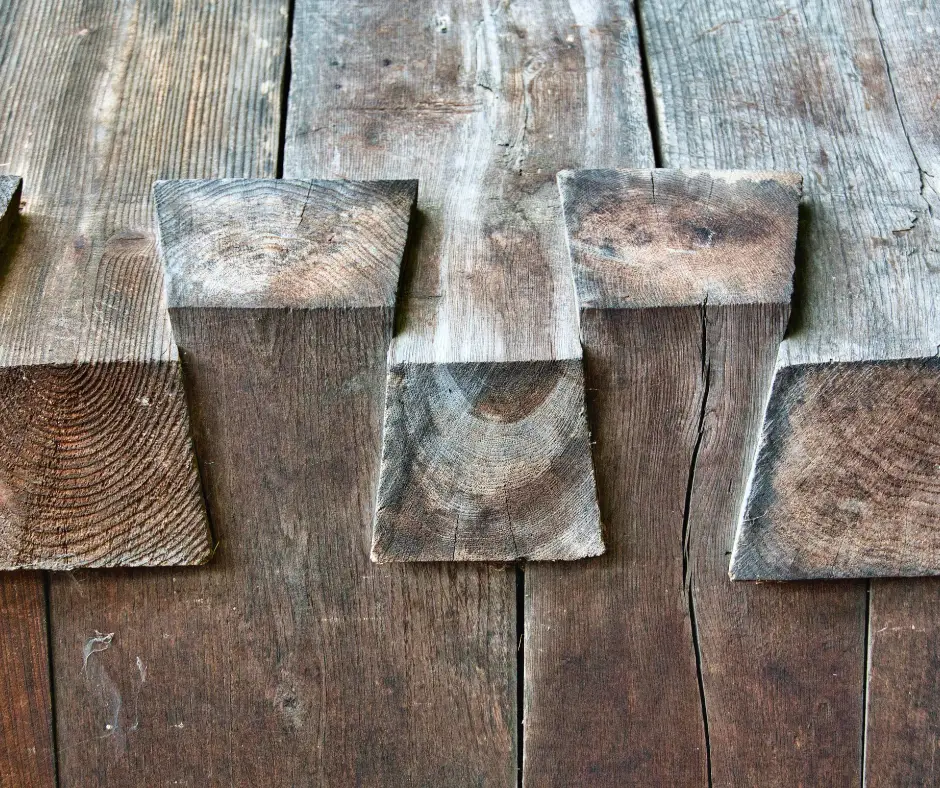
The dovetail notch corner is a precise and durable form of log cabin notching known for its clean, angular fit. This style tapers each notch inward, creating a self-locking joint that strengthens as weight is applied.
Dovetail log cabin notching offers excellent resistance to shifting and settling, making it ideal for long-term structural stability. Many builders choose this log cabin notching for its ability to shed water effectively while adding a refined, architectural look to the cabin. Selecting dovetail log cabin notching ensures a secure connection that combines craftsmanship, strength, and visual appeal.
Traditional Style with Lasting Strength
The dovetail notch showcases Appalachian heritage through its distinctive trapezoidal cut, bringing both charm and precision to log cabin notching. This method utilizes a self-tightening design that securely locks logs while allowing water to drain away from the joint. Its tapered profile offers superior resistance to uplift and lateral movement, helping maintain tight corners over decades of use.
Dovetail log cabin notching also supports weather resistance requirements by preventing moisture from entering vulnerable end-grain areas. The result is a time-tested joint that blends historical craftsmanship with dependable long-term strength.
Where It Works Best
Dovetail log cabin notching is ideal for wet, cold, or high-wind regions because its angled fit resists movement and channels water away from joints. Builders often use dovetail jigs or templates, precise saws, and chisels to achieve the clean, tight angles this style demands. This log cabin notching method works equally well with squared or round logs, allowing flexibility in design while preserving durability.
Many choose it for its ability to combine heritage-inspired construction with the strength required for today’s building standards. The primary challenge lies in the added labor and time, rather than in any performance limitations, especially in warmer, drier climates.
3. Butt and Pass Corner
The butt and pass corner offers a simplified alternative to traditional log cabin notching while still creating a solid, recognizable cabin profile. This method joins logs by alternating ends, with one log butting into the wall and the subsequent passing over the corner.
Unlike interlocking log cabin notching techniques, it relies on pins or rods rather than carved joints for stability. Butt and pass log cabin notching appeals to builders seeking a cost-effective option that delivers strength and a classic look without advanced scribing skills. Its simplistic assembly makes it a practical choice for specific projects while maintaining a traditional cabin appearance.
Simplicity and Cost-Effectiveness
Butt and pass log cabin notching stands out for its ease of construction and minimal tool requirements. Builders need only commom drilling equipment, rebar or threaded rod, and standard measuring tools. This approach recreates the appearance of traditional log cabin notching without the time or expense of detailed scribing. It works well for those starting their first cabin build or working within tight budgets while still aiming for a classic log home style.
Pros and Cons to Consider
Butt and pass log cabin notching allows for faster builds, but it performs differently than interlocking designs. Long-term airtightness and water control depend more on fasteners and sealants than on the tight mechanical fit valued in harsher climates.
Due to this, the method works best in mild regions or cabins with extra siding protection. Many builders see it as a practical, budget-friendly choice, though they admit it lacks the same weather resistance as traditional scribed notching.
4. Corner Post Notch (Vertical Post System)
The corner post notch system provides a modern alternative to traditional log cabin notching, while preserving the rustic appeal. Instead of extending and interlocking log ends, this method secures horizontal logs to vertical posts at each corner. This factor creates a clean, structured profile while keeping the joints protected inside the post assembly.
Corner post log cabin notching provides excellent resistance to weather and accommodates natural wood movement, making it a strong choice for specific architectural designs. Builders often select it when seeking a balance of durability, style, and innovation in log cabin notching.
A Modern Approach to Rustic Builds
Corner post log cabin notching combines contemporary lines with traditional warmth, appealing to those who value unique architectural expression. This approach requires precise cutting tools, reliable post-joining hardware, and meticulous alignment to ensure a tight and secure fit. By protecting the joints inside the vertical posts, this log cabin notching technique performs well in wet or windy conditions, where exposed corners might otherwise weaken over time.
When to Consider This Style
This type of log cabin notching is ideal for custom or high-end builds where design impact is as significant as performance. It works exceptionally well in regions where extreme weather protection and controlled wood movement are priorities. Builders choose corner post log cabin notching when they want a distinctive structure that blends modern design principles with the strength and charm of a traditional log home.
How to Choose the Right Notch for Your Cabin
Selecting the right log cabin notching technique starts with understanding your design vision, structural needs, and code requirements. Every type of log cabin notching must handle vertical and lateral loads while preventing structural movement.
Skill level, available tools, and log profile all play a role in determining which log cabin notching method will perform best. Tight, well-crafted corners are essential for meeting energy standards, ensuring durability, and maintaining the cabin’s comfort.
Design Goals and Structural Needs
When selecting a log cabin notching technique, consider both visual appeal and performance, as well as ICC 400 compliance. This standard requires corners to transfer loads and resist racking without losing stability. Advanced techniques, such as full-scribe, demand precision tools like compass scribes, chainsaws, and experience to achieve a compression fit.
Simpler log cabin notching methods require fewer tools but may rely more on maintenance to maintain airtightness. Log shape also influences performance, as certain log cabin notching techniques work better with round logs while others suit squared profiles. Energy code compliance makes a tight corner joint essential for efficiency and comfort.
Maintenance and Climate Considerations
Climate plays a critical role in selecting the most effective log cabin notching for long-term durability. Wet, cold, or high-wind environments often benefit from full or half dovetail, as their self-draining design offers exceptional resistance.
For round logs, saddle notch delivers authenticity and strength if carefully scribed and maintained. In moderate climates, a V, steeple, or square notch with pegs can work well when accurately cut and sealed.
ICC 400 requires corner details that limit air and water infiltration while allowing settlement. Choosing a tighter, compression-fit log cabin notching technique reduces reliance on sealant, lowers maintenance needs, and improves energy efficiency for years to come.
How Notching Techniques Handle Settling
Every solid-wood wall shrinks and compresses as it dries, and the notching technique determines whether that movement is graceful or destructive. A well-cut saddle notch actually tightens as the logs settle, because gravity pulls the scribed surfaces closer together. A dovetail behaves similarly in tension, which is why two-hundred-year-old dovetail cabins are still standing across Appalachia.
Butt-and-pass corners rely on long fasteners and sealant instead of geometry, so they need a maintenance plan and periodic re-sealing at the corner. Corner post systems handle settling with a slip joint at the post, which works well as long as the detail is drawn correctly and the fasteners are not over-tightened. Whatever notching technique you choose, the plan must show a settling allowance above windows, doors, and any framed interior wall. Our guide to how log homes settle covers the numbers.
Species and moisture content matter as much as the joint itself. Logs delivered near their equilibrium moisture content move less, and the USDA Forest Products Laboratory publishes the shrinkage data behind those numbers. Ask what your logs measured at shipping.
Notching Techniques and Air Sealing
Corners leak more air than any other part of a log wall, so the notching technique you pick is also an energy decision. Scribed saddle notches and full-length groove work create a continuous compression seal that closes tighter over time. Butt-and-pass corners depend on gaskets, foam, and chinking to close the same gap, which means the seal is only as good as the last person who maintained it.
Whatever the joint, plan on gaskets or sealant tape in the lateral groove, a proper corner detail at the sill, and generous roof overhangs to keep water off the joint entirely. See energy efficiency in log homes for how corners fit into whole-wall performance.
Log Cabin Notching Techniques FAQ
Which notching technique is strongest?
The scribed saddle notch and the dovetail are the strongest, because both use geometry rather than fasteners to resist movement. Both also require the most skill to cut correctly.
Which notching technique is cheapest?
Butt and pass. It needs the least layout time and the least skill, which is why owner-builders and many kit shells use it. Expect to spend more on sealant and maintenance over time.
Do notching techniques affect insurance or appraisal?
Indirectly. Appraisers and carriers respond to documented craftsmanship and condition, and a tight, well-detailed corner is the clearest sign of both.
Can you mix notching techniques on one cabin?
Yes, and many designs do. A home can use saddle notches on the main body and a corner post system where a wall meets glass or a hybrid framed section.
Which notching technique looks the most traditional?
The dovetail on squared logs reads as historic pioneer construction. The saddle notch with exposed log ends reads as classic western handcrafted.
Does the notching technique change the wall thickness I need?
Not directly, but log diameter and profile do, and some notching techniques suit large-diameter logs better than others. Our comparison of machine-milled and handcrafted logs explains the tradeoffs.
Which notching technique should I choose for heavy snow country?
A scribed saddle notch or dovetail, both of which stay tight under load. Pair either with deep overhangs and a roof designed for your county snow load.
Build with Confidence at Frontier Log Homes
At Frontier Log Homes, we believe that the right log cabin notching technique is the foundation of a strong and beautiful home. With over 40 years of experience and hundreds of projects across the U.S., our team combines traditional craftsmanship with modern code expertise. Whether you prefer the precision of a full-scribe saddle notch, the durability of dovetail joinery, or the sleek look of a post system, we guide you through every step, ensuring regional compliance and lasting performance.
Our handcrafted log cabin notching is pre-assembled for accuracy, meeting ICC 400 standards for strength and airtightness. From custom log cabin kits to turnkey builds, we tailor each project to your style, climate, and local codes. When you are ready to invest in quality log cabin notching, partner with us and build your legacy with perfection at every corner.