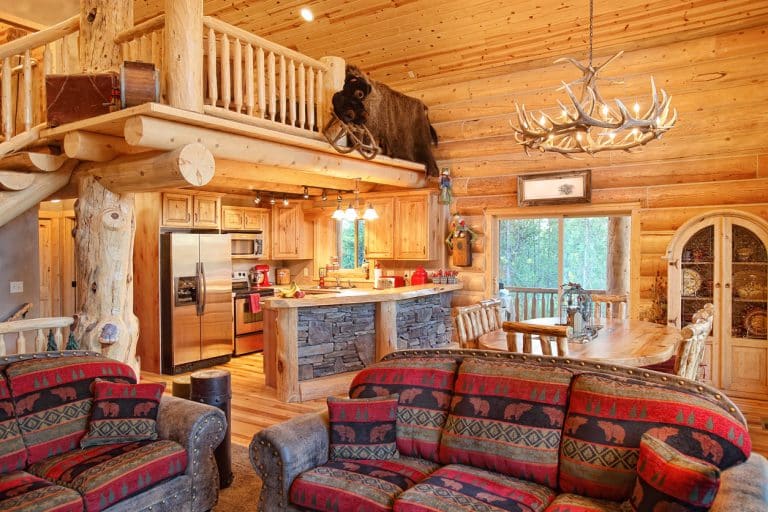
Six Helpful Log Cabin Lighting Tips
Good log cabin lighting layers three things: natural light from well-placed windows, ambient fixtures that wash the ceiling, and task light where you actually work.

Good log cabin lighting layers three things: natural light from well-placed windows, ambient fixtures that wash the ceiling, and task light where you actually work.
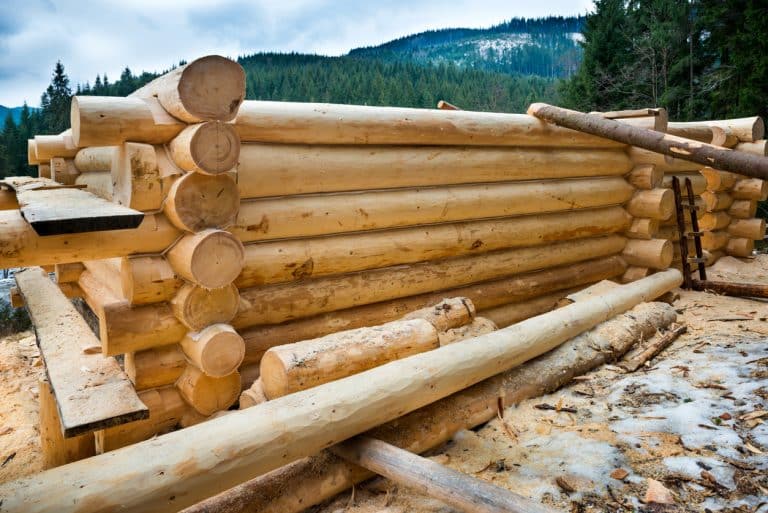
The best logs for cabins are dead standing or kiln-dried logs, because they have already lost most of their moisture and will shrink, check, and
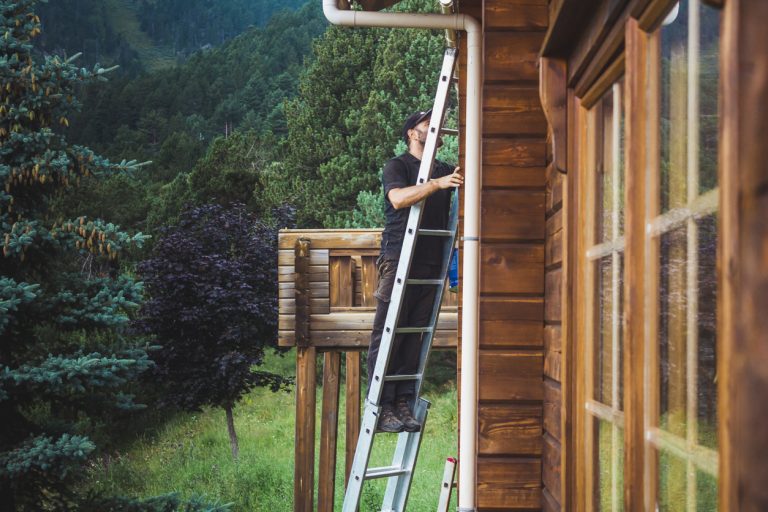
Autumn maintenance on a log home comes down to twelve jobs, and the first four matter most: touch up the stain, clear the gutters, seal

Log home security comes down to three layers: physical hardening at every entry point, electronic monitoring you will actually use, and fire protection built into

Summer cooling in a log home is mostly about keeping heat out rather than removing it later. Shade, roof color, attic insulation, night ventilation, and
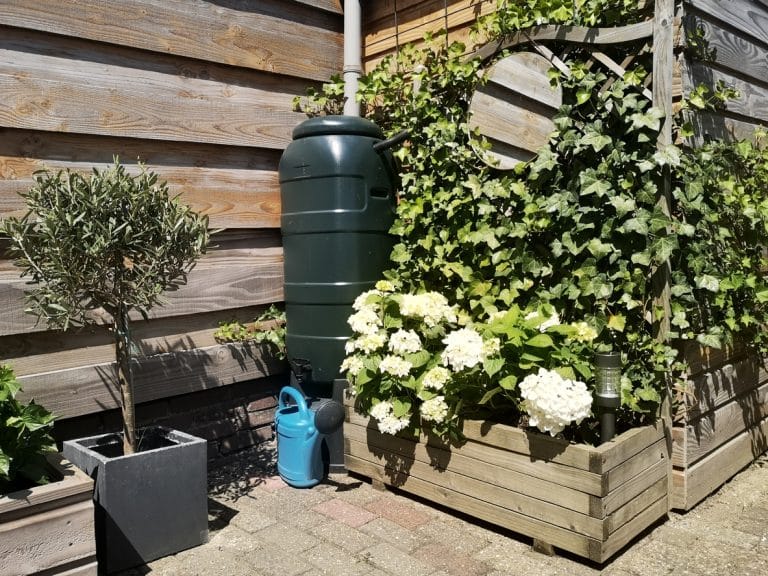
Do you live in a log home or cabin prone to flooding during heavy rains? Have you noticed water pooling around the foundation or seeping
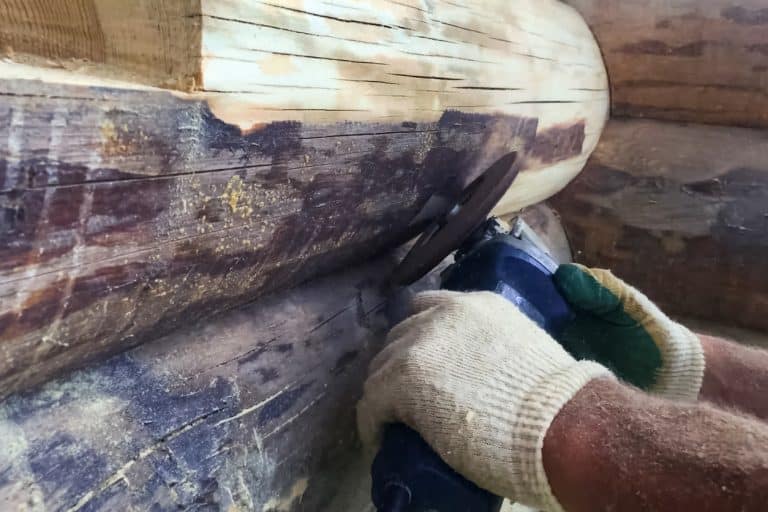
Treating a log home exterior comes down to a repeatable order of operations: wash the walls, repair the chinking, caulk the checks that hold water,
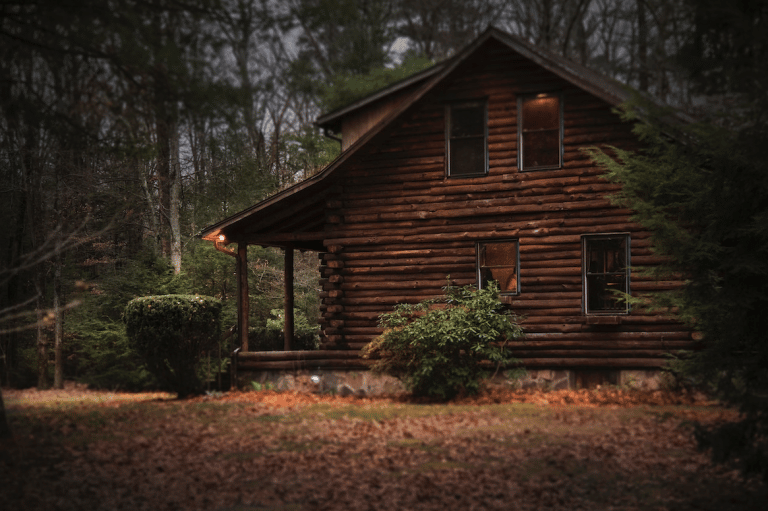
Yes, log homes settle — typically up to about three-quarters of an inch over the first one to two heating seasons — but log home
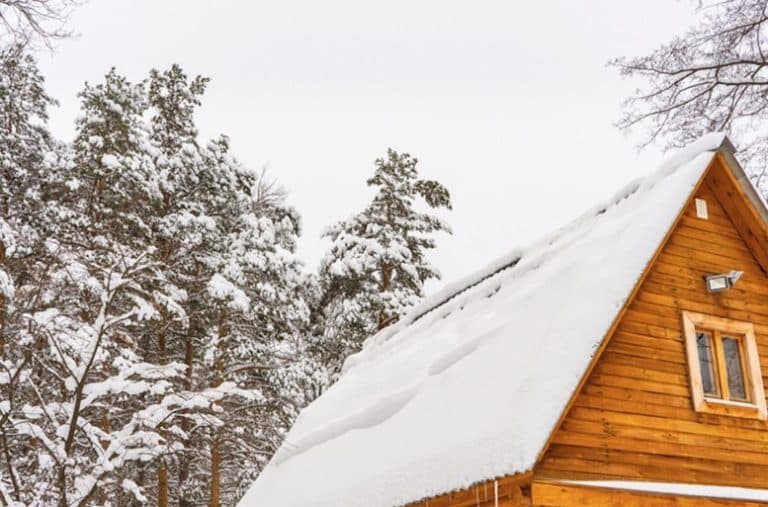
The five log home roof materials worth comparing are asphalt or architectural shingles, standing-seam metal, clay or ceramic tile, slate, and green roofs. Shingles cost
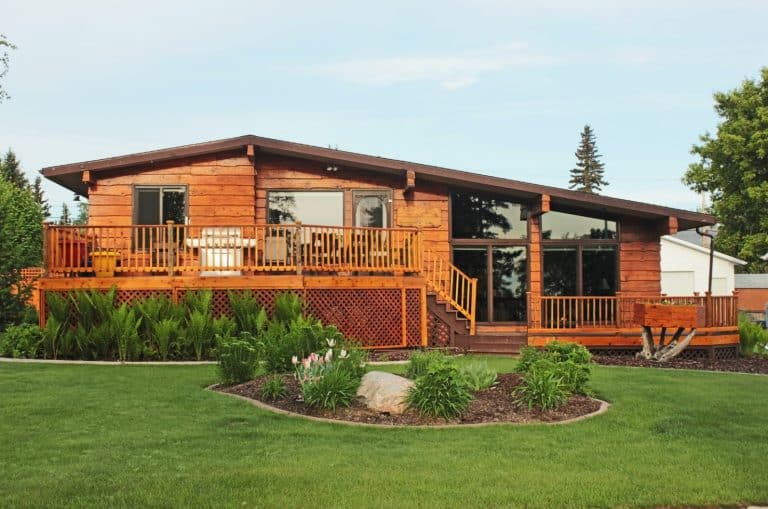
A traditional log home is built from stacked logs inside and out, while a hybrid log home combines log walls with timber framing, stone, drywall,
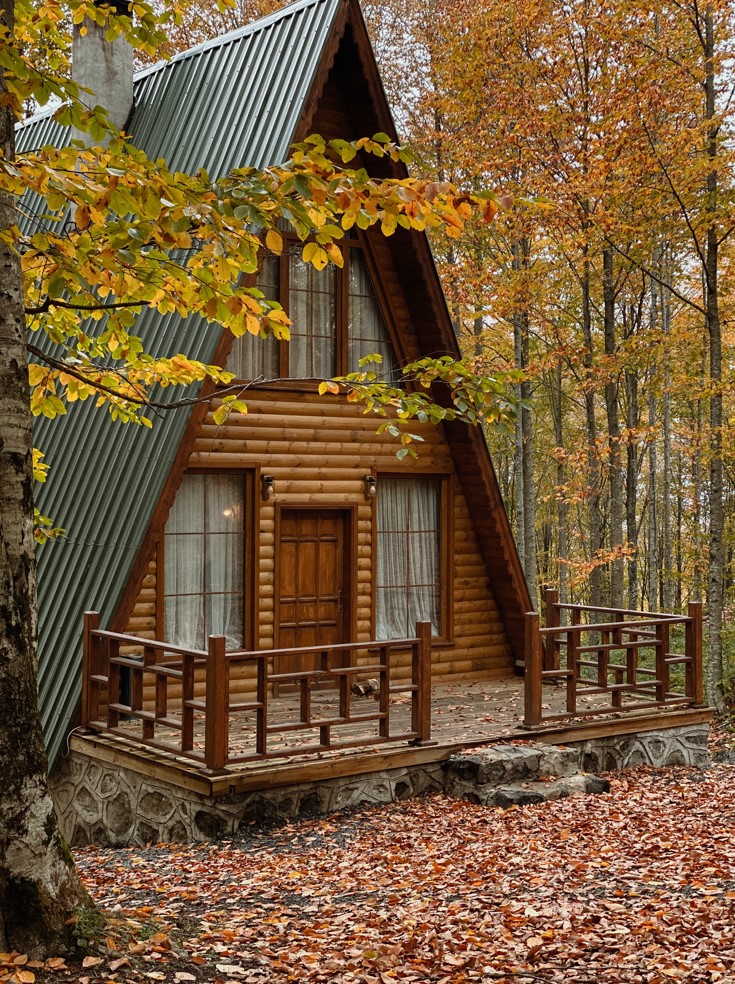
Log cabin kit cost comes in below stick-built construction because the design, engineering, materials, and most of the cutting are already finished before anything reaches
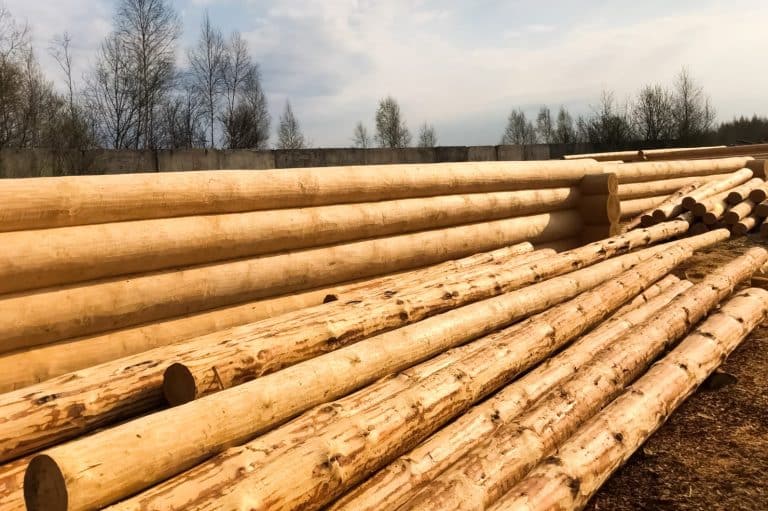
There is no single best type of wood for a log home: pine wins on cost and availability, cedar wins in wet or harsh climates,