
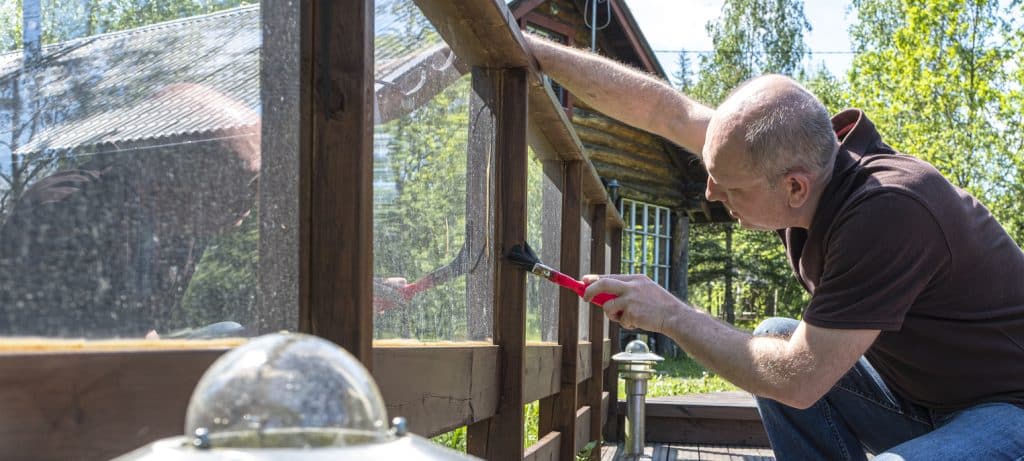
Spring log home maintenance comes down to eleven steps: roof, logs, windows and doors, sealants, gutters, lawn, landscaping, walkways, deck, insects, and HVAC. Do them in that order, because everything above sheds water onto everything below, and fixing the roof after you refinish a wall wastes the work. A single spring walk-around catches nearly every problem while it is still cheap. Frontier Log Homes has handcrafted and maintained log homes in Montrose, Colorado since 1977.
Spring Log Home Maintenance Checklist
| Step | What to Look For | Time |
| 1. Roof | Lifted or missing shingles, failed flashing, ice dam damage | 30 min |
| 2. Logs | Soft spots, dark staining, checks holding water, insect holes | 1 hr |
| 3. Windows and doors | Failed glazing seals, sticking, gaps at trim | 30 min |
| 4. Sealants and chinking | Cracks, separation from wood, brittleness | 1 hr |
| 5. Gutters | Debris, sagging hangers, downspouts discharging too close | 1 hr |
| 6. Lawn | Grade sloping toward the foundation, standing water | 30 min |
| 7. Landscaping | Anything touching the logs; mulch against the sill | 1 hr |
| 8. Driveway and walkways | Frost heave, cracks, drainage cut off | 20 min |
| 9. Deck and patio | Loose fasteners, rot at ledger, finish wear | 1 hr |
| 10. Insects | Carpenter bee holes, frass, termite mud tubes | 30 min |
| 11. HVAC | Filters, condensate line, outdoor unit clearance | 30 min |
With spring around the corner, cabin owners brace for weather changes that can raise maintenance concerns. Getting your home in shape before the season shift is vital for a cozy and safe haven. This spring maintenance checklist will keep your log home in top condition as the new season begins.
Spring Log Home Maintenance: Exterior Inspection
As you embark on your spring log home maintenance checklist, inspecting and repairing your log cabin’s exterior is essential. Even though Frontier Log Homes provides exceptional log homes built from quality materials, the harsh winter storms that many areas endure damage the external components of your home. The spring maintenance routine identifies and addresses damaged logs, cracks, or weathered finishes.
Neglecting these concerns can lead to more extensive damage and tarnish the structural integrity of your log cabin. Treating your log home’s exterior with protective finishes and carrying out necessary repairs ensures that it is resilient against spring weather.
Step 1: Check the Roof for Leaks and Damage
As you embark on your spring home maintenance checklist, don’t overlook inspecting your log home for leaks and other potential issues. Prioritizing this task is imperative, ensuring protection before the season unfolds.
Leaks and other problems can wreak havoc if left unattended. Pay close attention to your roof, as different materials react differently to seasonal changes. For instance, wood may expand or contract with temperature variations, potentially leading to leaks. On the other hand, metal roofs can rust over time, exacerbating problems during spring rains.
Opting for roof materials that adapt well to seasonal fluctuations is vital. Utilizing resilient materials ensures your log home withstands the dynamic weather of spring, safeguarding against leaks and other structural issues.
Step 2: Inspect the Logs Themselves
Your spring home maintenance checklist should also examine your log home’s well-being by inspecting logs for potential issues. Note any cracks that have surfaced during winter and address them promptly to prevent further deterioration. Also, guard against insect damage, a common problem with logs, by checking for any signs of infestation.
Cleaning your logs is paramount. You should remove winter debris that could lead to log damage over time. Implement log home maintenance tips, such as applying a protective finish to shield the logs from the elements.
Look out for any signs of mold or mildew, swiftly tackling these concerns to maintain a healthy living environment. Incorporating these practices into your spring home maintenance checklist saves you from future headaches.
A meticulous spring log home maintenance checklist primes your log home for the season ahead. Following these inspections and log home maintenance tips will make your haven resilient for decades.
Step 3: Evaluate Windows and Doors
As you diligently work through your spring home maintenance checklist, take notice of the critical evaluation of windows and doors. Ensuring the integrity of these entry points is paramount to prevent leakage that allows windy spring air to infiltrate.
You should maintain a tight seal as the first defense against air and water. Check caulking and weather stripping for any signs of wear, notably if you experienced condensation inside windows during winter.
It would be beneficial to spring-clean your windows with a gentle solution. This meticulous approach ensures your log home remains clean and comfortable throughout the changing seasons.
Step 4: Spring Log Home Maintenance for Sealants and Chinking
The windows and doors are just some of the sealants needing attention in your log home during spring maintenance. Ensure all sealants, like gaps between logs, are meticulously inspected to maintain structural integrity.
Your spring log home maintenance checklist should include checking for any sealants for wear or damage. Diligently examining the caulking and weather stripping ensures a tight seal against potential air and water infiltration.
Sealing your home cannot be overstated, as compromised sealants can lead to energy inefficiency and structural vulnerability. Undestanding these log home maintenance tips helps address these issues promptly and prevent further damage. Ensure the lifetime of your log cabin by inspecting and replacing sealants as needed throughout your spring maintenance regimen.
Step 5: Clean the Gutters and Downspouts
Check and clean gutters during your spring log home maintenance checklist. Clogged gutters can impede proper drainage, limiting your logs’ ability to dry out.
Clogged gutters can flood your log home, allowing water to seep into walls and foundations. This high water concentration can lead to mold and mildew buildup, which creates a hazardous environment. Cleaning your gutters during spring maintenance is crucial for preventing long-term water exposure on your logs.
Log home maintenance tips underscore the significance of addressing this issue promptly to avoid potential structural damages. By ensuring that gutters are clogs-free, you safeguard against the challenges of the changing seasons.
Spring Log Home Maintenance Outdoors
Before spring arrives, focusing on ground maintenance for your log home is crucial. Incorporating this into your spring home maintenance checklist is essential for preserving your log home. Neglecting ground maintenance can lead to safety hazards and structural issues.
Log home maintenance tips emphasize the importance of proactive measures to avoid costly repairs. Therefore, taking the necessary measures to address grounds maintenance before springtime can save you time and money. Below, we’ve highlighted measures to include in your springtime home maintenance checklist.
Step 6: Lawn Care
You should prioritize lawn care in your spring home maintenance checklist, especially if trees surround your home. Make sure to trim or pick up branches and clear debris surrounding your home.
Overgrown vegetation near logs can trap moisture, leading to decay, insect infestations, and potential damage. By trimming vegetation during your spring maintenance routine, you enhance the aesthetics of your property and prevent challenges presented by its natural surroundings.
A well-maintained lawn complements the charm of your log home and acts as a protective barrier, enhancing its overall resilience against environmental challenges. Embrace these log home maintenance tips to ensure the strength of your log cabin amid nature.
Step 7: Trim Landscaping Back From the Walls
In your spring log home maintenance checklist, prioritize trimming landscaping before the season unfolds. Trim shrubbery and check the vegetation surrounding your log home. Landscaping too close can impede proper air circulation, creating potential issues.
Trimming shrubs enhances aesthetics, promotes adequate air circulation, and prevents moisture trapping. A balanced ecosystem around your log home is crucial to avoid potential deterioration.
By incorporating landscape trims into your spring maintenance routine, you ensure the visual appeal of your property and the overall well-being of your log home. Proactive measures like trimming align with essential log home maintenance tips for a thriving and well-maintained living environment.
Step 8: Inspect Driveways and Walkways
Incorporating the inspection of driveways and walkways into your spring home maintenance checklist is crucial due to the potential damage caused by winter. With its freezing temperatures and moisture accumulation, winter poses a significant threat to these surfaces.
Repeated freeze-thaw cycles can cause the ground to expand and contract, causing cracks and potholes in driveways and walkways. Additionally, de-icing agents can contribute to surface erosion and deterioration.
Addressing these issues promptly in your spring maintenance routine is essential. Neglecting the damage allows water to seep into the cracks, exacerbating the problem over time. By understanding driveway and walkway damage, you can rectify these issues, preserving the functionality and aesthetics of your log home.
Step 9: Maintain the Deck or Patio
In your spring log home maintenance checklist, you should prioritize maintaining your deck or patio. Neglecting these areas can lead to wood decay, splintering, or discoloration.
You should inspect for any signs of damage, including loose boards or protruding nails. If you notice issues, you should promptly address them by replacing damaged boards, tightening loose hardware, and applying a protective finish.
Regular cleaning with a mild solution is also advisable to prevent mold or mildew growth. Failing to care for your deck or patio can result in more extensive damage over time. Adhering to these log home maintenance tips ensures that your outdoor spaces are well cultivated.
Step 10: Inspect for Termites and Other Insects
Incorporating termite inspection into your spring log home maintenance checklist is vital. Log homes are more susceptible to termites due to the wood’s biodegradable material.
As part of spring maintenance, log homeowners should diligently check for signs like mud tubes or wood damage. Preventative measures are essential, such as keeping wood surfaces dry, using termite-resistant wood, and ensuring proper ventilation. Regularly inspecting the foundation and treating the perimeter with termite repellents are proactive steps against termite infestations.
Neglecting termite inspections can lead to severe structural damage over time, making it imperative to address this concern during spring maintenance. By following these log home maintenance tips, homeowners fight against termite infestations, preserving the longevity of their log homes.
Step 11: Evaluate the HVAC System
Include evaluating the HVAC system in your spring log home maintenance checklist. Neglecting this can lead to inefficient heating or cooling, which can cause discomfort.
Before spring, it is crucial to ensure your HVAC system is ready for temperature changes. You should regularly clean or replace air filters, check and adjust thermostat settings, and inspect ductwork for leaks or blockages.
Poorly maintained HVAC systems may result in higher energy bills and decreased system lifespan. By addressing potential issues during spring maintenance, log homeowners ensure optimal performance, comfort, and energy efficiency throughout the changing seasons. Scheduling professional inspections and servicing before the onset of heat changes contributes to the longevity and reliability of the HVAC system in log homes.
When to Do Spring Log Home Maintenance
Timing matters more than most owners expect when planning spring log home maintenance. Wait until night temperatures stay reliably above 40 degrees before applying any stain, sealant, or chinking, because most products will not cure properly below that. In Colorado high country that usually means late May or June, while lower elevations can start in April.
Do the inspection earlier than the repairs. Walk the house as soon as the snow clears so you know what you are dealing with, then schedule the work for the first stretch of dry, mild weather. Spring log home maintenance done in a rush during the first warm weekend is how people end up stripping and redoing a wall.
What Spring Log Home Maintenance Prevents
Spring log home maintenance exists to head off one thing. Almost every expensive log home repair starts as a small water problem that ran for two or three seasons. A clogged gutter overflows onto a wall, the wall stays wet, the finish fails, and decay fungi get established. From there the repair moves from a can of stain to log replacement, which means cutting, splicing, and matching wood on a load-bearing wall.
Insects follow the same path. Carpenter bees prefer unfinished or weathered wood, and woodpeckers follow the bees, turning small holes into large ones. Keeping the finish current is genuinely the cheapest pest control available. See carpenter bees and log homes and the threats log homes face for the full picture.
Spring Log Home Maintenance Tools Worth Having
Keep a moisture meter for spring log home maintenance, a soft-bristle brush, a garden sprayer, a caulk gun sized for chinking tubes, a headlamp, and a ladder you actually trust. A moisture meter is the single most useful item on that list, because it tells you whether a dark spot is a stain or a problem. Readings consistently above twenty percent in a wall mean water is getting in and staying.
For cleaning, choose products intended for log walls and avoid pressure washing at high pressure, which drives water into checks and raises the grain. Our guide to treating a log home exterior covers washing, brightening, and finish selection in order.
Spring Log Home Maintenance FAQ
How long does spring log home maintenance take?
Spring log home maintenance inspection takes a weekend morning on most homes. Repairs and refinishing vary, from an afternoon of caulking to a full week for a wall that needs stripping and staining.
How often does a log home need refinishing?
Every three to seven years depending on exposure. South and west walls at altitude fail first because ultraviolet light breaks down finishes fastest there.
Should I pressure wash my log home in spring?
Only at low pressure with a wide fan tip, and only if the finish requires it. High pressure damages wood fibers and forces water into checks.
What moisture reading is too high?
Sustained readings above twenty percent indicate a water intrusion problem. Decay fungi need that level of moisture to establish, so find the source rather than treating the surface.
Is spring or fall the better time for log home maintenance?
Both, for different reasons. Spring log home maintenance finds winter damage first. Spring finds winter damage and prepares the finish for summer sun, while fall closes gaps before snow. See our autumn maintenance checklist.
Do I need a professional for any of these steps?
Roof work, chinking large runs, and any suspected rot or structural repair are worth handing to a pro. Inspection, gutters, landscaping, and HVAC filters are straightforward owner tasks.
What about termites and other pests?
Look for mud tubes at the foundation and soft wood near grade. Keeping soil, mulch, and firewood away from the walls removes most of the opportunity. The moisture thresholds that make wood attractive to decay and insects are published by the USDA Forest Products Laboratory.
Need Help With Spring Log Home Maintenance?
If your walk-around turns up something you would rather not diagnose alone, ask. Frontier Log Homes has handcrafted log homes since 1977, and we would rather help you catch a problem early than rebuild a wall later. Contact us, or read how long log homes last to see what maintenance actually buys you.