
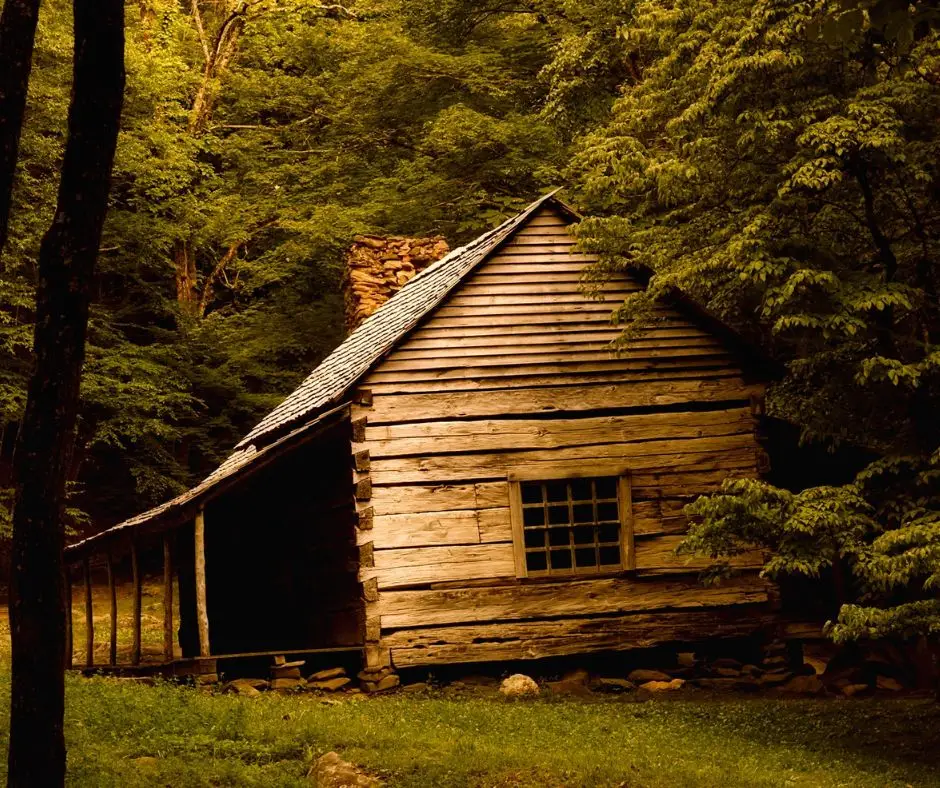
Well-built log homes last 100 years or more, and many documented examples in Europe and North America are still standing after 200 to 800 years. A poorly detailed or neglected log home can fail in 30. The difference is never the logs themselves; it is water management, maintenance discipline, and construction technique. Frontier Log Homes has handcrafted log homes in Montrose, Colorado since 1977, and the ones we built in the seventies are in excellent condition today.
How Long Log Homes Last: Expected Lifespans
| Condition | Expected Lifespan | What Decides It |
| Handcrafted, well detailed, maintained | 100 to 200+ years | Deep overhangs, tall foundation, kept finish |
| Quality kit, properly assembled and maintained | 75 to 150 years | Correct fasteners, sealed joints, drainage |
| Good build, deferred maintenance | 40 to 70 years | Stain failure leading to rot at sills and log ends |
| Poor detailing, ground contact, no overhangs | 20 to 40 years | Persistent moisture and decay |
A log home’s allure is undeniable, from its nostalgic charm to its timeless craftsmanship. As you imagine cozying up by the fire with a warm drink, you might wonder: How long do these homes last? We will cover the typical lifespan of a log home and the factors that contribute to it. Discover what keeps log homes strong for generations, from weather resilience to construction techniques.
How Long Log Homes Last in Practice
Log homes are admired for their resilience, with well-maintained structures lasting 50 to over 100 years. With their solid wood construction, log homes can endure for generations, but their lifespan depends on several critical factors. Each element, from weather conditions to construction methods, plays a role in preserving these iconic homes.
Construction quality is a vital starting point. Homes built using premium wood and sound architectural techniques naturally withstand environmental stressors better. Regular maintenance, such as sealing and staining, protects the wood from moisture, UV rays, and pests, which can otherwise compromise structural integrity over time. With attentive care, a log home can even exceed a century.
Additionally, the climate significantly impacts longevity. Homes in places that have high humidity or extreme weather require more frequent maintenance to prevent issues like rot or insect damage. By following protective measures and opting for high-quality finishes, homeowners can keep their log home in top condition, allowing it to age gracefully.
When built and maintained thoughtfully, log homes retain their beauty and achieve impressive longevity. Understanding these factors can help anyone considering this rustic lifestyle maximize their home’s lifespan and timeless appeal.
6 Keys to How Long Log Homes Last
Several elements influence how long log cabins last. The lifespan of a log cabin relies on various factors that influence the durability and life expectancy of these traditional homes.
Key 1: Wood Species Sets How Long Log Homes Last
Wood quality plays a crucial role in a log home’s durability. High-quality timber, like cedar or pine, offers greater resilience and can withstand environmental stressors better than untreated wood.
Choosing wood naturally resistant to rot and insect damage—such as cedar or redwood—adds to a log home’s longevity. Moisture resistance is also vital; high-caliber wood with proper treatments resists decay and reduces the risk of structural issues.
Selecting the right type and grade of wood provides the best foundation for a log home built to last for generations.
Key 2: Climate and Exposure
Climate plays a critical role in determining a log home’s lifespan. High humidity, extreme temperatures, or heavy rainfall can accelerate wood deterioration.
Persistent moisture, common in humid regions, may lead to rot or mold, requiring more frequent maintenance. Conversely, moderate climates promote log home longevity by exerting less stress on the wood.
Factors like seasonal weather changes and exposure to direct sunlight also influence durability, with prolonged sun exposure potentially causing the wood to dry and crack. Understanding a region’s climate helps homeowners prepare for the upkeep needed to protect their log home for years.
Key 3: Maintenance Discipline Decides How Long Log Homes Last
Regular maintenance dramatically extends a log home’s lifespan. Annual inspections for issues like mildew or pests help prevent premature aging and structural damage. Detecting and addressing minor problems early, such as cracks or moisture buildup, keeps the wood strong and resilient.
Regular sealing and staining protect the logs from UV rays, moisture, and other environmental threats. Maintenance is essential to preserve a log home’s beauty and integrity and ensure it remains a safe, enduring structure for years.
Key 4: Managing the Common Threats
Log homes face various threats that can impact their longevity. Termites and carpenter ants are frequent culprits, burrowing into logs and compromising the structure.
Fungi, like mold and mildew, also pose risks by causing wood decay that weakens stability. Weather exposure is another significant factor: direct sunlight, heavy rain, and strong winds gradually wear down logs, especially if they lack proper sealant.
Over time, this exposure can cause cracks, warping, and rot. By addressing these common threats with regular inspections and maintenance, homeowners can help protect their log home’s durability and structural integrity.
Key 5: Construction Technique and How Long Log Homes Last
Construction techniques play a significant role in a log home’s durability. Sealing between logs helps prevent moisture intrusion and decay. An effective vapor barrier is essential for regulating humidity and protecting the wood from rot.
Proper drainage systems are equally important. They direct water away from the foundation and logs to reduce damage risk. These construction practices enhance long-term stability and longevity, ensuring the structure withstands environmental challenges.
By understanding and implementing these techniques, homeowners can optimize the conditions of their log cabins, increasing the likelihood that their homes will endure for generations.
Key 6: Water Management Details
Nothing determines how long log homes last more than where the water goes. Roof overhangs of two feet or more keep rain off the walls, a foundation that lifts the bottom log at least eight inches above finished grade keeps splash and snow off the sill, and grading that slopes away from the building keeps groundwater out of the crawlspace. Gutters, downspouts that discharge well away from the foundation, and drip edges at every horizontal surface complete the system.
Log homes last longest when no wood ever stays wet for more than a day or two. Decay fungi need sustained moisture above roughly twenty percent, so a wall that dries quickly after every storm is effectively immune. The USDA Forest Products Laboratory publishes the decay thresholds behind that rule.
Why Some Historic Log Homes Last for Centuries
Look at the surviving examples and a pattern appears. Old stave churches and farmhouses in Scandinavia sit on stone plinths, carry enormous roof overhangs, and use heartwood cut from slow-grown trees. Appalachian dovetail cabins from the 1800s do the same things in a different vocabulary: raised stone foundation, steep roof, tight corners that shed water outward.
None of those builders had modern sealants or preservatives. They simply kept the wood dry and kept the joints tight, which is exactly why those log homes last while much newer buildings do not. Every modern product is an improvement on that foundation, not a substitute for it.
Warning Signs That Shorten How Long Log Homes Last
Catch these early and repairs stay small. Watch for finish that has gone chalky or is peeling on south and west walls, dark staining or soft wood at log ends and sill logs, chinking or caulk that has pulled away from the wood, insect frass or perfectly round holes from carpenter bees, gutters overflowing onto the walls, and soil or mulch piled against the bottom course.
Any one of those is a maintenance task. Two or three together are the start of a repair bill. Our guides on threats log homes face and treating a log home exterior walk through the fixes, and carpenter bees and log homes covers the insect side.
How Long Do Log Homes Last? FAQ
How long do log homes last compared to conventional houses?
At least as long, and often longer. A maintained log wall has no hidden cavity to trap moisture, and solid wood retains structural capacity for generations.
What is the oldest log home still standing?
Timber structures in Norway and Japan have stood for many centuries, and log farmhouses across northern Europe routinely pass 300 years. Log homes last far longer than most buyers assume.
Do log homes rot?
Only where wood stays wet. Rot is a moisture problem, not a wood problem, and it is prevented by overhangs, a tall foundation, drainage, and a maintained finish.
How often does a log home need refinishing?
Every three to seven years depending on sun and rain exposure. High-altitude south and west walls need it most often because ultraviolet light breaks finishes down faster.
Do log home kits last as long as custom homes?
A well-assembled kit with proper details lasts generations. Assembly quality and water management matter far more than whether the package came from a shop or a custom design.
Does settling shorten how long log homes last?
No, as long as the plan allowed for it. Problems come from rigid connections that fight the movement. See how log homes settle.
What is the single best thing I can do to make my log home last?
Keep water off the wood and keep the finish current. Everything else is secondary.
How Long Do Log Homes Last on Average?
Understanding the lifespan of a log home involves several key factors. Typically, a well-maintained log cabin can last between 20 to 100 years, depending on various elements such as construction quality and upkeep. Some homes even exceed this average, reaching lifespans of over a century. High-quality materials and sound construction techniques are essential for long-lasting durability.
Traditional full-log homes built with superior timber are more resilient. Regular maintenance, including inspections and timely repairs, is crucial for extending the life of your log home. Seasonal treatments and proper sealing can further protect against moisture and pests.
With the proper care and planning, your log cabin can become a cherished legacy, standing firm for generations to come. By investing in maintenance and quality construction, you can ensure your log home endures for many years.
Making Sure Your Log Homes Last Even Longer
Realizing the dream of a log home involves ensuring its longevity. Proper care and preventive measures can endure your log home for centuries. Here are some effective practices to maximize its lifespan:
- First, choose high-quality timber. Superior wood grades significantly impact durability. Consult experts or suppliers to select the best wood variety for your location and climate.
- Next, use excellent construction techniques. Combine traditional building methods with modern improvements to enhance durability. A well-built home withstands the test of time.
- Regular maintenance is essential. Conduct routine check-ups to prevent weathering and rot. Clean surfaces, replenish protective coatings and inspect logs for insect damage. Address water leaks promptly.
- Install adequate overhangs, decks, or large roof extensions to protect your home from harsh elements. These features provide outdoor living space and shield walls from snow and water.
Remember, maintaining a log home is an ongoing process. By giving your log home the attention it deserves, you create a lasting haven for future generations.
Build a Log Home That Lasts With Frontier Log Homes
Transform your dreams into a reality with Frontier Log Homes, where craftsmanship meets durability. Our commitment to quality echoes through every sturdy beam we use. With extensive industry experience and a deep understanding of log cabin building techniques, we guide you through creating your vision of a lasting home. From selecting the finest timber suitable for your location to employing best practices in construction, we ensure your home stands the test of time.
If you’re curious about the lifespan of log cabins, trust our expertise at Frontier Log Homes. We don’t just build houses; we create heirlooms that can be cherished for generations. Whether you envision your log home nestled in serene forests or perched atop stunning mountain vistas, we provide a space filled with love and memories. Our homes are designed to last decades, ready to hold countless joyful moments.
Ready to take the next step? Let Frontier Log Homes turn your dream into a stunning reality. Experience the charm and warmth of a log home that promises durability and beauty. Together, we’ll build a space where stories unfold, and tranquility thrives within those huddled wooden walls. Start your journey with us today, and embrace a legacy of living well in a log home built to last.
Log homes last longest when the details are right from the first course. Frontier Log Homes has handcrafted log homes and log home kits since 1977, and we design overhangs, foundations, and settling allowances for the site you actually own. Contact us or start with custom home design.
Longevity starts on paper. See how custom log home design builds durability in from the first drawing.