
Log Home Planning: Essential Questions to Ask
Good log home planning answers eight questions in order: your vision, your site, your real budget, the size you need, the floor plan, the logs

Good log home planning answers eight questions in order: your vision, your site, your real budget, the size you need, the floor plan, the logs
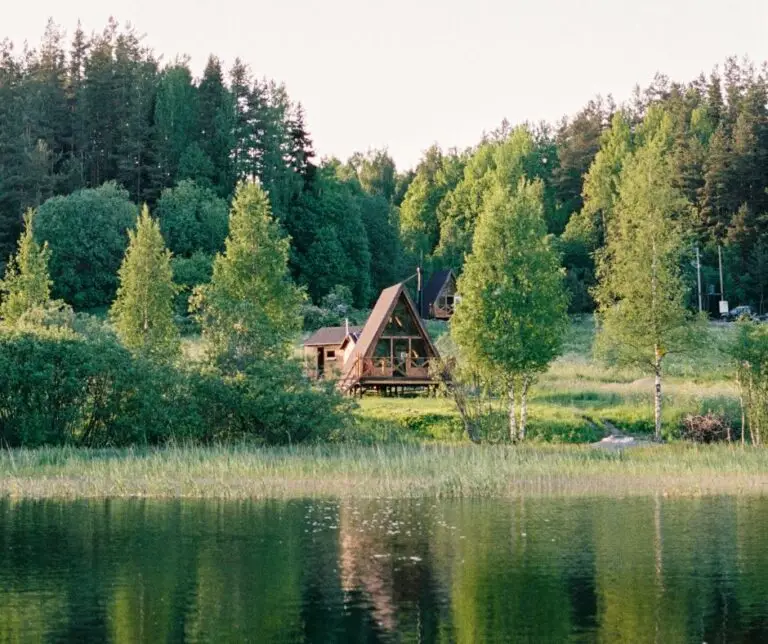
The seven best places to build a log cabin in the United States are Dubois Wyoming, Big Sky Montana, Telluride Colorado, Eureka Springs Arkansas, Gatlinburg
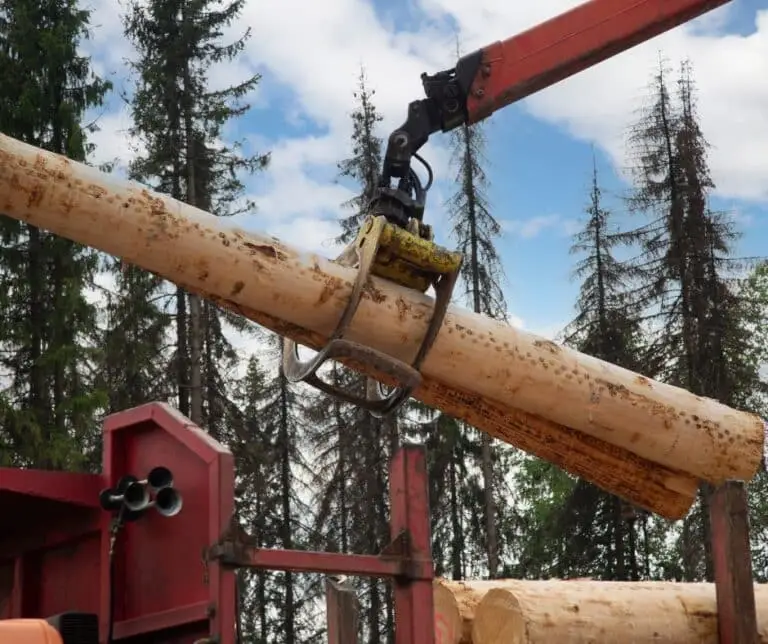
Timber frame construction uses precision wood-to-wood joinery locked with wooden pegs, while post and beam uses simpler joints reinforced with metal plates and bolts. Timber
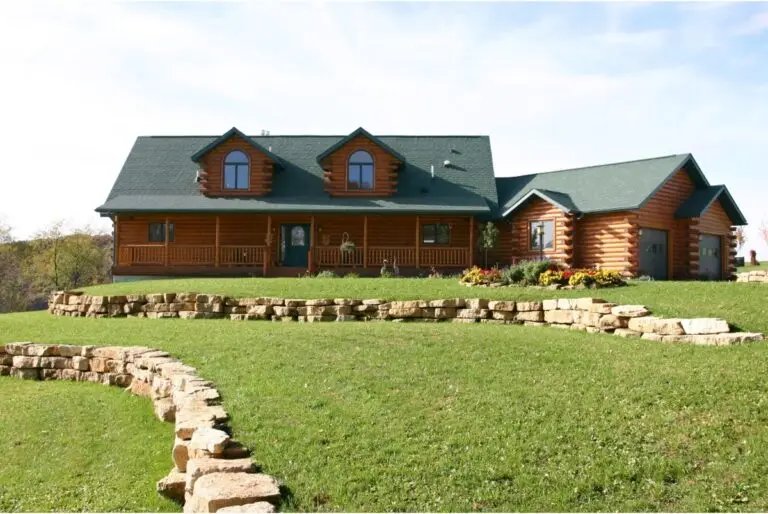
The six main log home styles are chink, full scribe, post and beam, timber frame, hybrid, and corner post. Chink and full scribe are solid-log
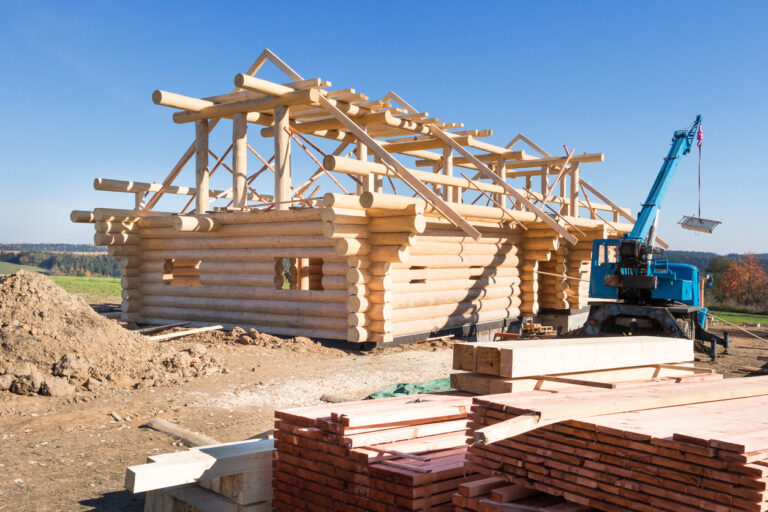
Log cabins, known for their timeless charm, attract those seeking rural retreats. However, many need clarification when choosing between modular log homes and log cabin
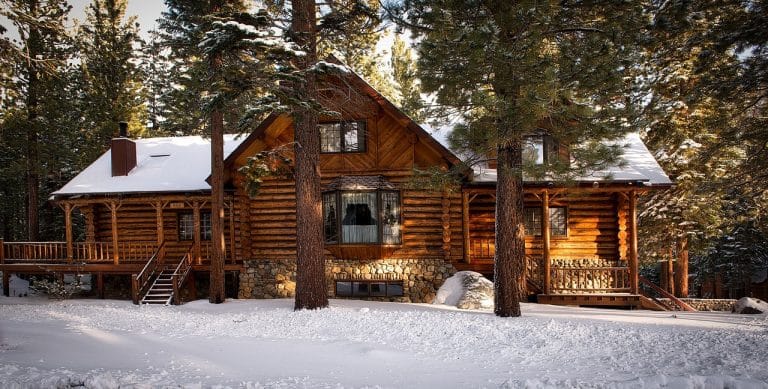
Log cabin home cost runs about $50 to $100 per square foot for a kit shell, $100 to $250 for prefab or modular, $150 to
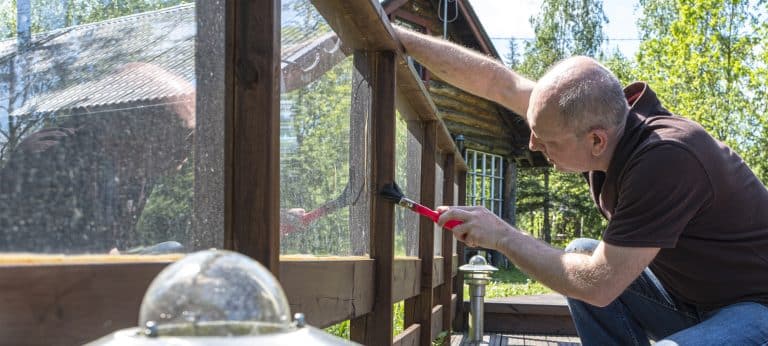
Spring log home maintenance comes down to eleven steps: roof, logs, windows and doors, sealants, gutters, lawn, landscaping, walkways, deck, insects, and HVAC. Do them
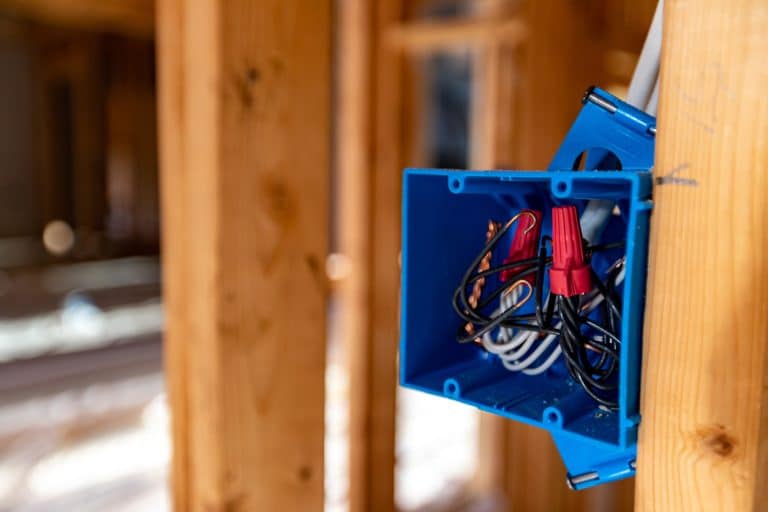
Log cabin wiring follows the same National Electrical Code as any other home, but the walls do not. Solid logs leave nowhere to hide a

Log cabin heating works best when you seal first and heat second. Air leaks at settling gaps, log joints, and window trim cost far more
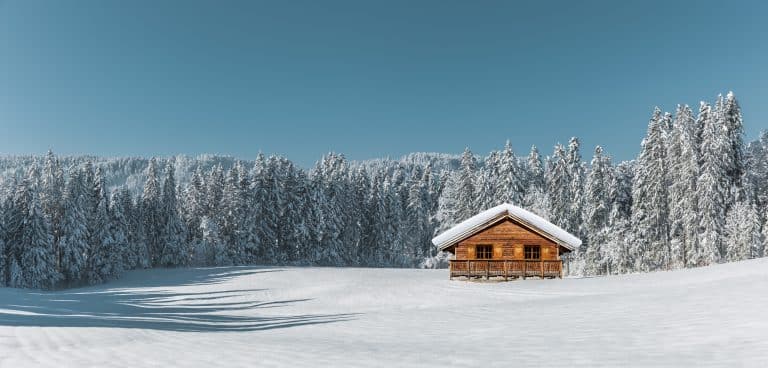
To protect a log cabin from severe weather, seal the logs every three to five years, keep the roof and gutters draining freely, inspect the
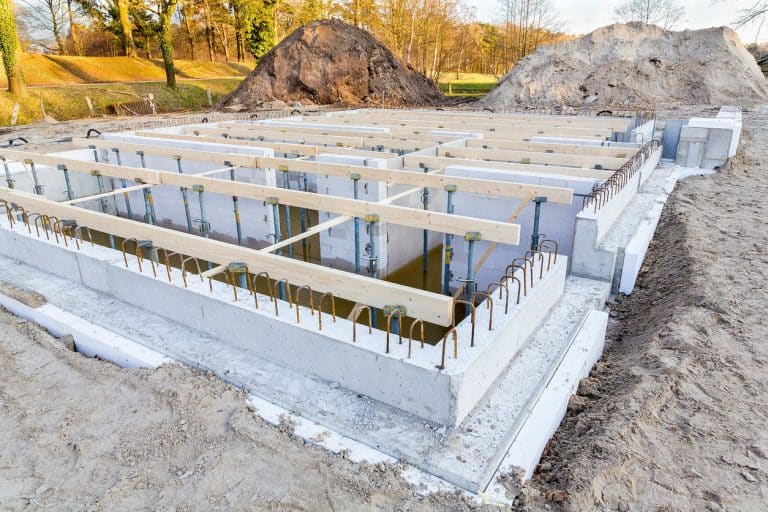
The best cabin foundation is a concrete slab on flat, well-drained ground and a crawl space on gently sloped or damp sites. Choose a full
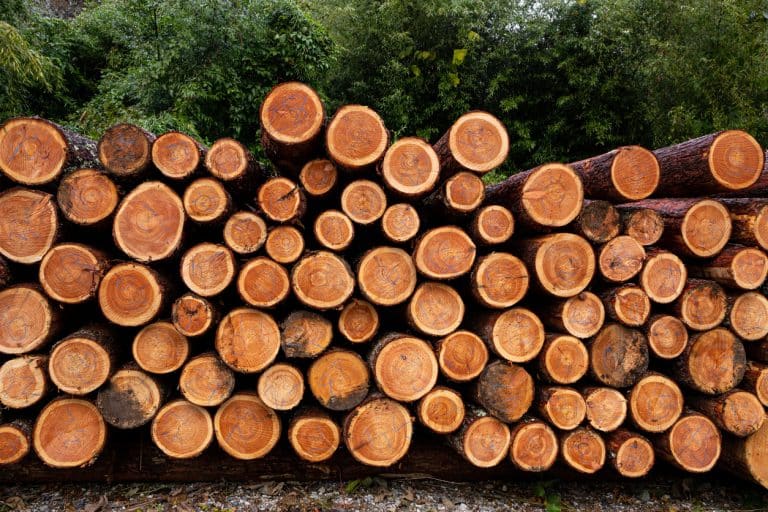
Choose handcrafted logs when you want full-diameter timber, one-of-a-kind character, and a wall where no two logs are alike; choose machine-milled logs when you want