
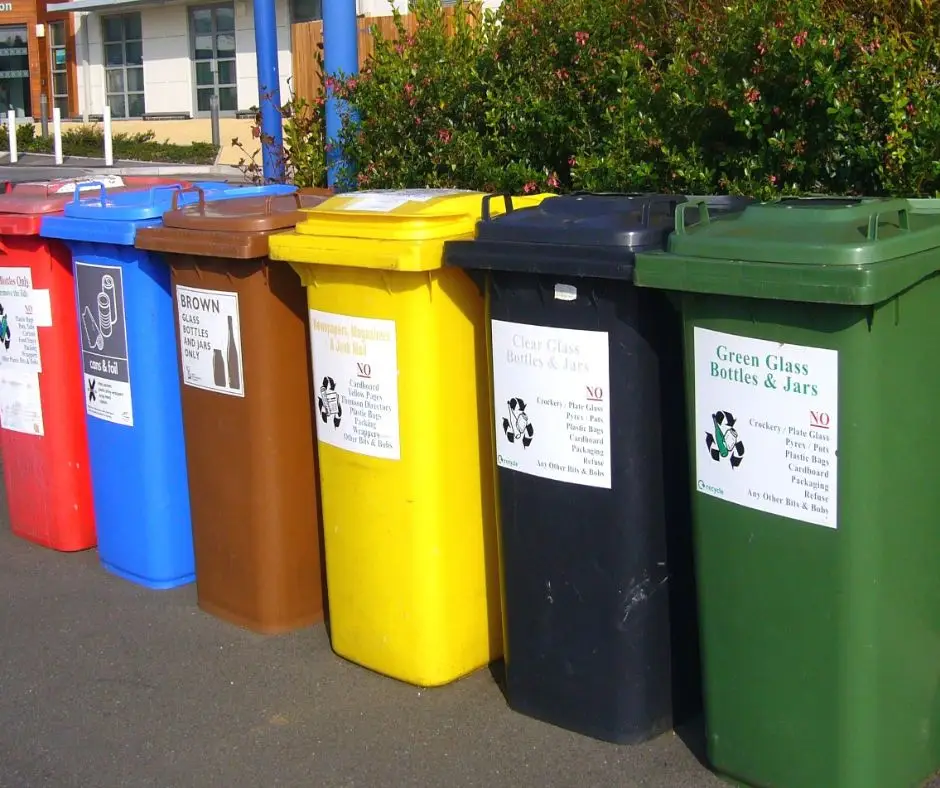
Recycled materials let a log home reuse wood, stone, steel, and concrete that already exist instead of consuming new resources. Reclaimed timber, recycled-content insulation, metal roofing, salvaged stone, and recycled concrete are the five that make the biggest difference on a real build. Used well, they lower the environmental cost of the house without costing you durability or comfort.
Log homes start with an advantage here. Wood is renewable, it stores carbon for the life of the building, and a well-built log home lasts long enough to spread its footprint across generations. Adding recycled materials to that foundation is where the gains get significant.
7 Recycled Materials Worth Building Into a Log Home
These are the seven we specify most often, roughly in order of impact:
1. Reclaimed and Recycled Wood
Salvaged beams, barn wood, and timbers rescued from old structures give a log home character that new lumber cannot imitate. Reclaimed wood is typically old-growth, which means tighter grain and better dimensional stability than most new material. Using it keeps usable timber out of landfills and reduces demand for fresh harvest.
2. Recycled-Content Insulation
Cellulose insulation is made largely from recycled paper, and mineral wool commonly contains recycled slag. Both perform well in roof assemblies over log walls. Some rigid foams and fiberglass batts now carry meaningful recycled content too. This is the easiest place to specify recycled materials without changing anything you can see.
3. Recycled Steel Roofing
Steel roofing typically contains a large share of recycled steel and is itself fully recyclable at end of life. It sheds snow, resists embers in wildfire country, and routinely outlasts two or three cycles of asphalt shingles. On a mountain site it is often the practical choice regardless of the environmental argument.
4. Salvaged and Reclaimed Stone
Stone reclaimed from old foundations, walls, and quarry tailings works beautifully for fireplaces, chimneys, and pier bases. It arrives weathered, which suits a log home, and it avoids the energy cost of new quarrying and cutting.
5. Recycled Concrete Aggregate
Crushed concrete from demolition can replace virgin gravel in driveways, drainage beds, and non-structural slabs. Some mixes also use fly ash or slag cement to replace a portion of the Portland cement, which is where most of concrete’s carbon footprint lives.
6. Reclaimed Flooring and Millwork
Old-growth flooring, doors, and trim pulled from buildings being demolished are among the most satisfying recycled materials to work with, because the patina is impossible to fake. Expect to budget extra labor for de-nailing, milling, and fitting.
7. Recycled Glass and Countertop Surfaces
Terrazzo-style counters made from recycled glass in a cement or resin binder are durable, distinctive, and divert bottle glass from the waste stream. They pair well with the visual weight of log walls.
Renewable Timber: The Backbone of a Sustainable Log Home
Where new wood is needed, sourcing matters as much as species. Responsibly managed forests are replanted and harvested on a cycle, which makes timber genuinely renewable in a way that mined and drilled materials never are. Ask any supplier where the logs came from and what certification, if any, backs the claim.
Species choice affects both performance and footprint. Locally harvested species travel fewer miles, and standing dead timber, including beetle-killed pine, uses wood that would otherwise decay or burn. Beetle-kill in particular has become a signature material in the Rocky Mountain West, with the blue-gray staining that owners either love or avoid.
Durability is itself an environmental strategy. The greenest house is the one nobody has to rebuild, which is why we care so much about long-lasting homes and the details that get them there.
Insulation: Where Recycled Materials Pay for Themselves
Log walls bring real thermal mass, but the roof, floor, and air-sealing details decide how the house actually performs. This is the highest-return place to spend, and it is also where recycled materials are easiest to specify.
Cellulose, mineral wool, and recycled-content rigid foam all belong in the conversation. So does the humbler work of sealing penetrations, detailing the log-to-roof connection, and making sure the assembly can dry. For a deeper look, see our guide to insulation materials in log homes and how they affect the energy efficiency of log homes. The Department of Energy’s insulation guidance is a solid reference for target values by climate zone.
Roofing and Flooring: Sustainable Alternatives That Last
Roofing is a durability decision first. Recycled-content metal, and in some regions recycled composite shingles made from post-industrial plastics and rubber, both outlast asphalt by decades. Fewer replacement cycles means less waste, which is the whole point.
For flooring, reclaimed hardwood is the standout, but cork and bamboo are worth considering as rapidly renewable options in low-traffic rooms. Whatever you choose, ask about the finish. A low-VOC finish protects indoor air quality, which matters more in a tight, well-sealed home than in a leaky one.
Natural Stone and Recycled Concrete in Log Home Construction
Stone and concrete do the heavy structural work on most log home sites: foundations, retaining walls, chimneys, and hearths. Both are also where recycled materials can quietly displace a lot of virgin resource.
Crushed recycled concrete performs well as sub-base under driveways and slabs. Supplementary cementitious materials such as fly ash and slag reduce the cement content in a mix without weakening it, and most ready-mix suppliers can quote them. Reclaimed stone for the visible work finishes the picture, and it costs less than newly quarried stone in many markets.
Green Building Technologies That Work With Log Homes
Recycled materials are one lever. The systems you pair them with are another. Solar photovoltaic arrays, solar hot water, ground-source heat pumps, high-efficiency wood stoves, rainwater harvesting, and greywater reuse all fit a log home comfortably, and several of them fit rural sites better than they fit suburban ones.
Smart thermostats and zoned heating are the least glamorous and often the highest-return additions, particularly in a home with a two-story great room. The industry has published useful green building principles specific to log construction that are worth reading before you finalize a spec.
What Recycled Materials Cost
The honest answer is that it varies, and the variation is mostly labor rather than material. Reclaimed timber and salvaged stone are often cheaper to buy and more expensive to install, because they need sorting, cleaning, milling, and fitting. Recycled-content insulation and metal roofing usually cost about the same as their conventional equivalents.
Supply is the other variable. Reclaimed materials come in finite lots, so if a barn’s worth of flooring is what you found, that is what you have. Design around the quantity you can actually secure rather than assuming you can buy more later. Building in phases can help, and so can flexibility about species and dimension.
How to Source Recycled Materials for a Log Home
Sourcing is the part most owners underestimate. Reclaimed inventory is local, irregular, and gone when it is gone, so the search should start before the plans are final rather than after.
Architectural salvage yards and deconstruction nonprofits are the obvious first stop, and many will hold material with a deposit. Regional reclaimed timber dealers are the right call for structural beams, because they grade, kiln-dry, and can supply the documentation an engineer will want. For stone, ask local excavators and masons what is coming out of nearby demolition and quarry tailing piles.
Farm and ranch country hides a surprising amount of usable material in collapsing outbuildings. Owners are often glad to have a structure removed. If you go that route, agree in writing on who handles demolition, disposal of the unusable portion, and liability, and have any timber kiln-dried before it comes anywhere near the build.
Whatever the source, photograph and measure everything, then give the numbers to your designer early. Recycled materials work best when the plan is drawn around what you actually have.
Recycled Materials and Wildfire-Resistant Design
In the mountain West, sustainability and fire resilience point at the same choices more often than not. Recycled steel roofing is non-combustible and resists ember ignition, which is the mechanism behind most home losses in a wildfire. Reclaimed stone at the base of walls, on chimneys, and around the foundation does the same job at the most vulnerable elevation.
Mineral wool insulation, which commonly carries recycled slag content, is non-combustible as well and holds up better than foam at the roof-to-wall junction. Metal soffits and closed, screened eave vents keep embers out of the assembly entirely.
The landscape choices matter as much as the building ones. Defensible space, gravel rather than bark mulch in the first five feet, and clear separation between tree canopy and roofline do more than any single product. The federal guidance at Ready.gov is a practical starting point, and your county may have specific mitigation requirements attached to the building permit.
The overlap is worth naming plainly: the recycled materials that lower a home’s environmental cost here are frequently the same ones that keep it standing.
Frequently Asked Questions About Recycled Materials in Log Homes
Are recycled materials as durable as new ones?
Often more so. Reclaimed old-growth timber is denser and more stable than most new lumber, and recycled steel is metallurgically identical to new steel. The exception is anything with an unknown service history, which is why inspection and grading matter.
Will using recycled materials void a warranty?
Manufacturer warranties apply to specific products, not to the category. Recycled-content insulation and metal roofing carry normal warranties. Salvaged material sold as-is generally does not, so plan for that in the structural review.
Can reclaimed wood carry insects or rot into a new home?
It can, which is why reputable suppliers kiln-dry reclaimed timber before resale. Kiln drying kills any insects present and stabilizes the moisture content. Never bring untreated salvage straight from a barn into a finished house.
Do recycled materials qualify for tax credits or rebates?
Programs change constantly and are mostly tied to energy performance rather than material content, so insulation, windows, and mechanical systems are where the incentives usually sit. Check current federal and state programs before you assume anything.
Is a log home more sustainable than a conventional house?
In several respects, yes. Wood stores carbon, requires far less energy to produce than steel or concrete, and comes from a renewable source. The comparison depends heavily on how the rest of the envelope and the mechanical systems are designed.
How do I verify a supplier’s recycled content claims?
Ask for documentation rather than marketing language. Recycled content is usually stated as a percentage and split between post-consumer and post-industrial. If a supplier cannot tell you which, treat the claim as unverified.
Do recycled materials affect resale value?
Reclaimed timber, salvaged stone, and character-grade flooring usually help, because buyers read them as craftsmanship rather than as a compromise. Recycled-content insulation and metal roofing are invisible to a buyer but show up in the utility bills and the roof’s remaining service life, both of which appraisers and inspectors do notice. The one caution is documentation: keep the invoices, grading reports, and kiln-drying certificates for any structural salvage, because a buyer’s inspector will ask about material provenance long before they ask about anything else.
Where should I start if my budget is limited?
Insulation and roofing. They deliver the largest environmental and utility-bill return per dollar, they use recycled materials without any aesthetic compromise, and they are the hardest items to upgrade later.
Building a Sustainable Legacy With Frontier Log Homes
At Frontier Log Homes we build custom log and mountain homes and supply log home kits, and we have been specifying reclaimed timber, recycled-content insulation, metal roofing, and salvaged stone on these projects for years. It is not a marketing program. It is usually just the better material.
If you want a home that uses recycled materials well without sacrificing comfort or resale value, tell us what you are planning. Contact Frontier Log Homes or call 970-249-7130 and we will walk through the options for your site and budget.