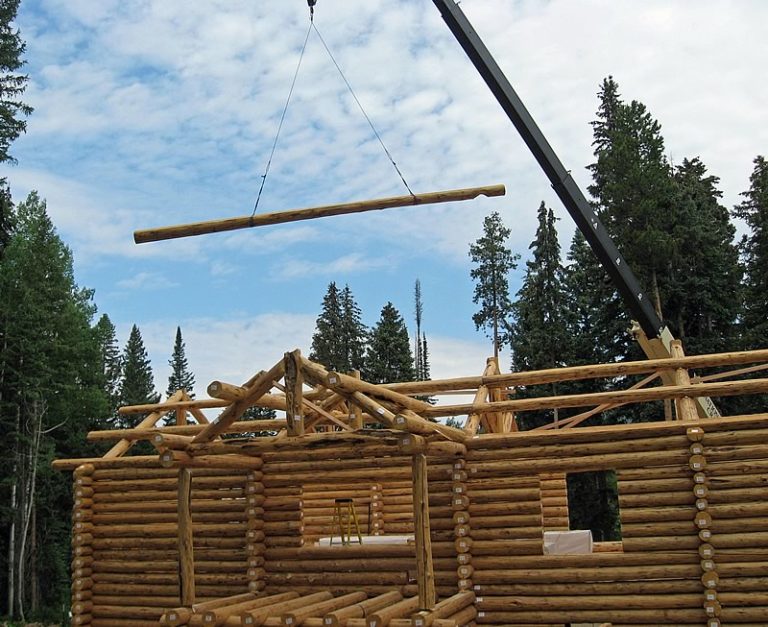
What Is Chinking? Is It Necessary For A Log Home?
Chinking log homes means sealing the gaps between the logs with a flexible, weather-tight compound that flexes as the wood shrinks, swells, and settles. Most

Chinking log homes means sealing the gaps between the logs with a flexible, weather-tight compound that flexes as the wood shrinks, swells, and settles. Most
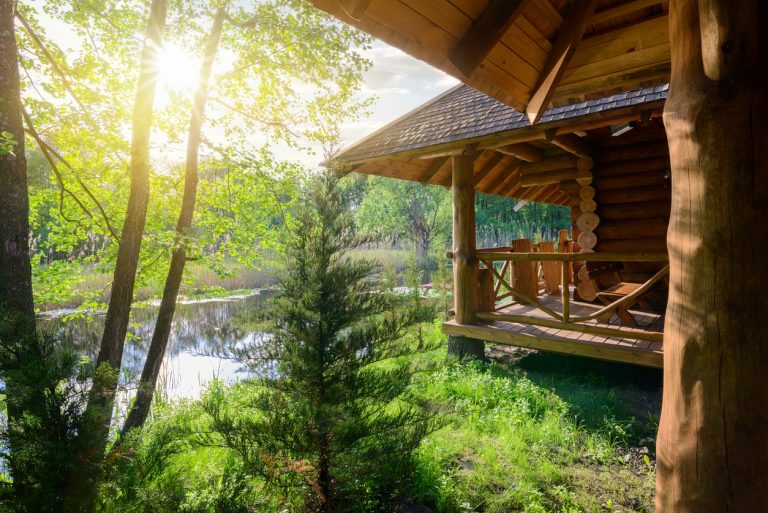
Log homes are energy-efficient in practice even though log walls do not post impressive R-values on paper, because solid wood stores heat and a tight
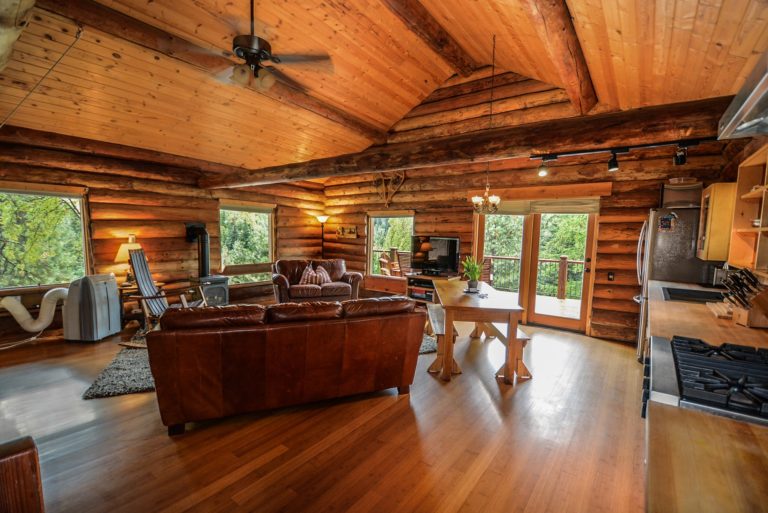
With special care, maintenance and attention to details, a log home can become a family house passed from one generation to the other.

A sloped lot usually costs less to buy and more to build on, while a flat lot costs more up front and less to develop.
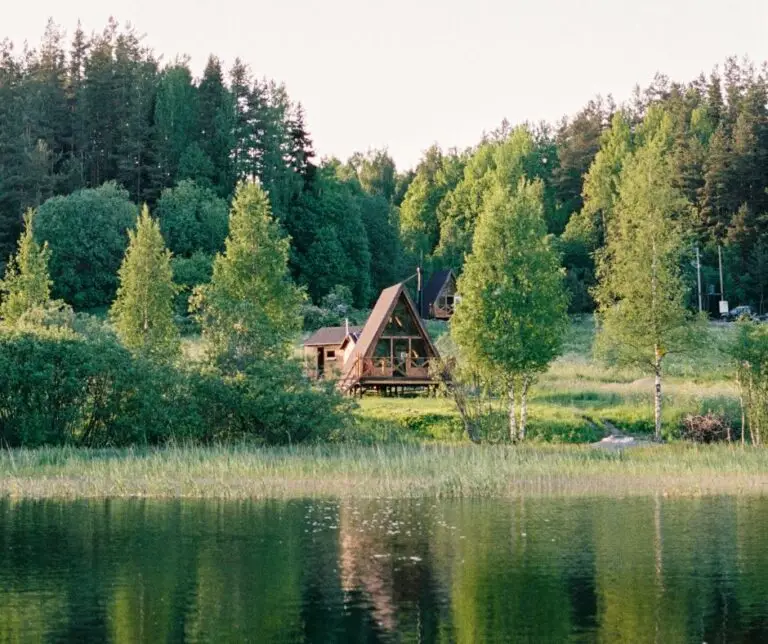
Low-maintenance cabin landscaping comes down to six things: mulch heavily, plant native species, water on demand instead of on a timer, choose slow-growing shrubs, simplify
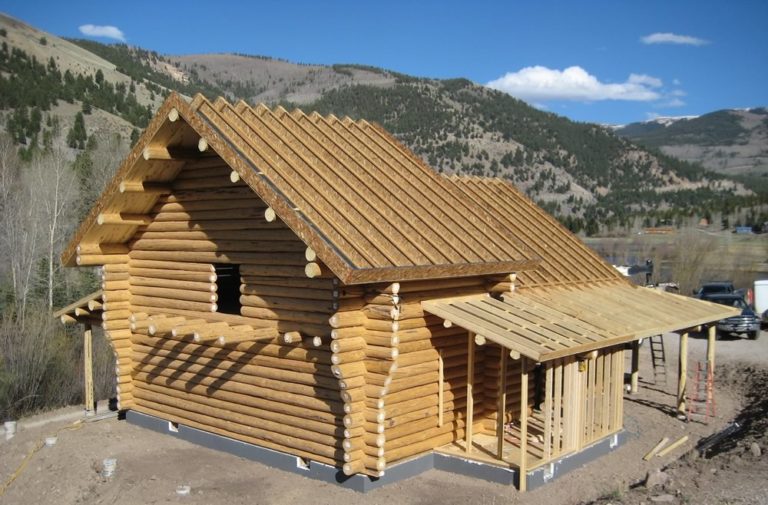
Choosing between log home kits comes down to three questions: how much space you actually need, how you live day to day, and what the
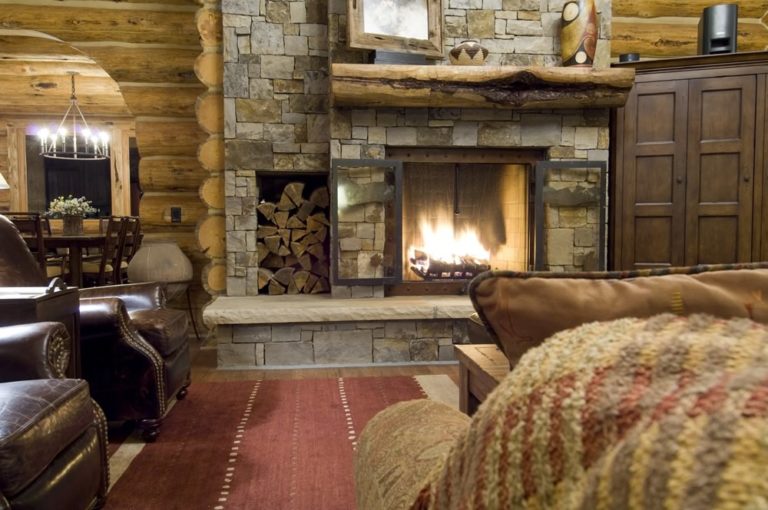
The three fireplace ideas worth considering in a log home are wood, gas and electric, and the right one depends on how you will actually
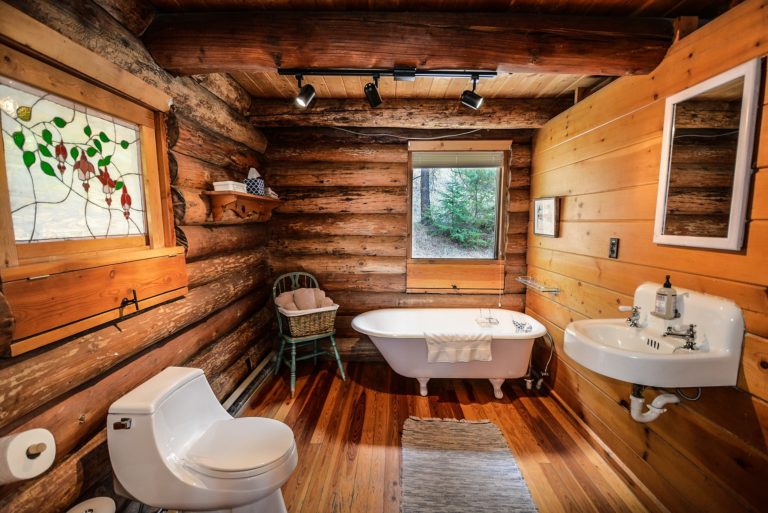
Good log cabin bathroom design comes down to five decisions: fixtures, space, DIY scope, moisture-tolerant materials, and ventilation. Get those five right and the room
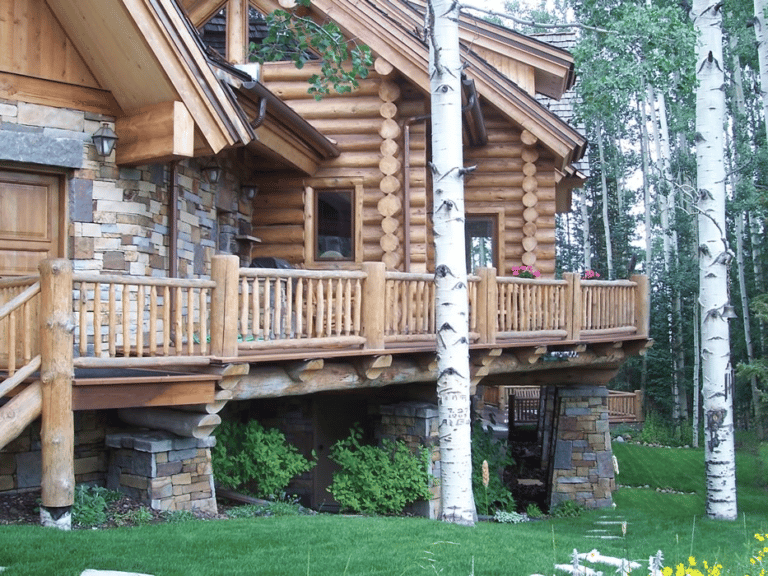
A porch is covered, a deck is open, and a patio sits on the ground — so every porch design decision starts with how much
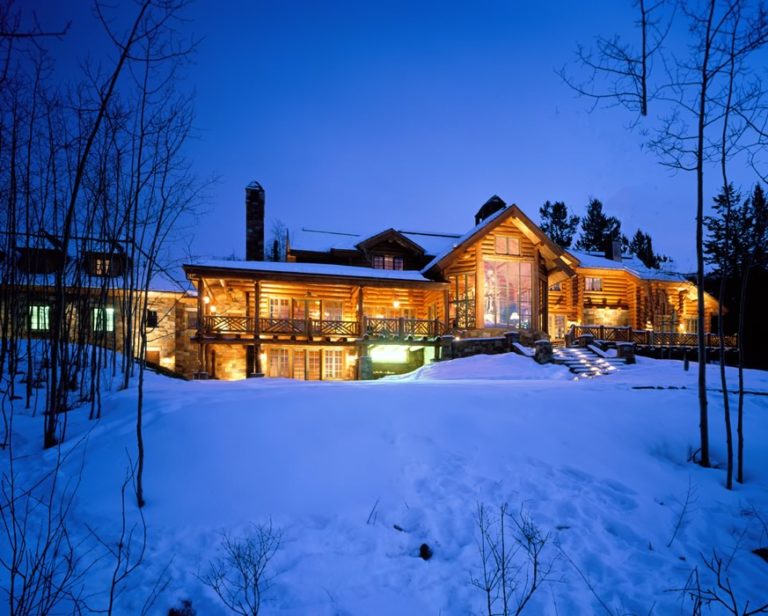
Yes — a log cabin still needs insulation, just not in the log walls themselves. Solid logs handle the wall assembly on their own, so
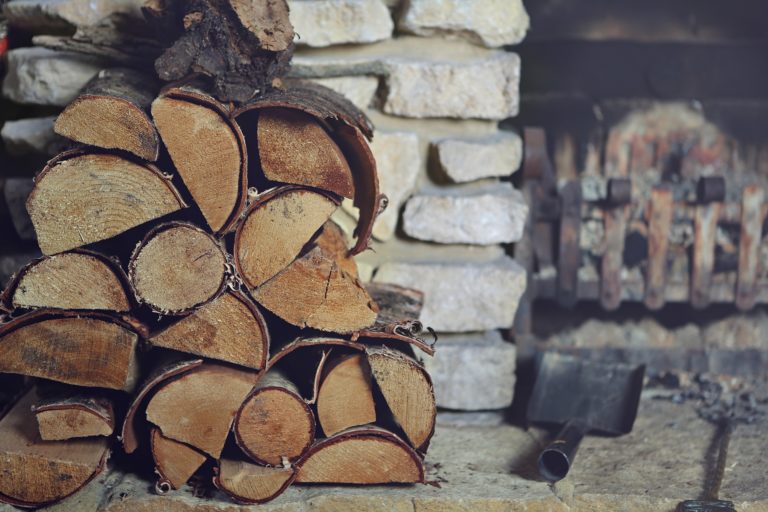
Log cabins are not more likely to burn than conventional homes, and in a real cabin fire solid logs usually outlast stick framing. That said,
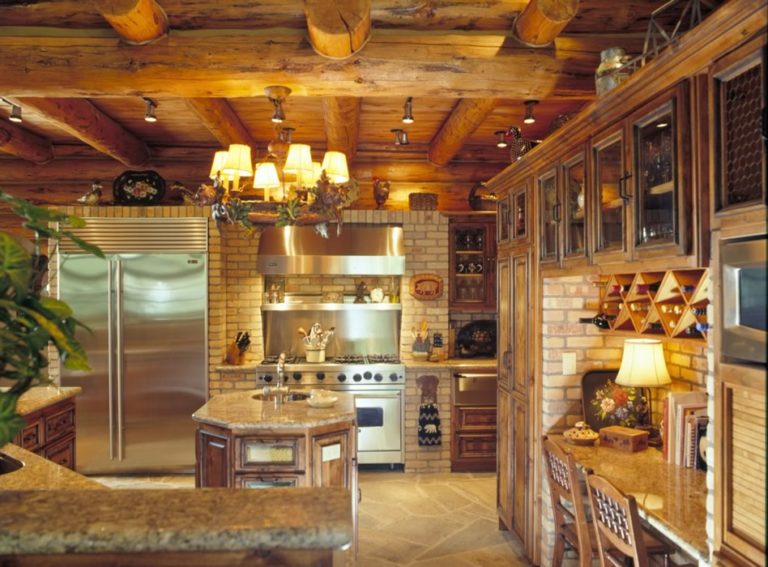
The best log cabin kitchen ideas work with the logs instead of fighting them: warm wood tones, one strong contrast, durable surfaces, and enough light